

In daily life, many families are accustomed to storing bread directly in plastic bags. However, with the upgrading of kitchen storage concepts, more and more people are starting to use bread storage boxes. So, are bread storage boxes really better than plastic bags?
From multiple professional perspectives, including food preservation principles, humidity control mechanisms, hygiene and safety, ease of use, and long-term storage stability, the answer is clear—yes, bread boxes are indeed better than plastic bags in most cases.
This article will focus on the core question, "Are bread storage boxes better than plastic bags?", systematically analyzing the structural differences, preservation effects, user experience, and scientific principles of both, to help you make a more rational choice.
Why do many people still use plastic bags to store bread?
The main reasons why plastic bags are so common include:
• Low cost
• Easy to obtain
• Soft and easy to fold
• Good sealing
However, "good sealing" does not equal "suitable for bread storage." The key to bread preservation lies in humidity balance, not complete airtightness.
What are the fundamental structural differences between bread boxes and plastic bags?
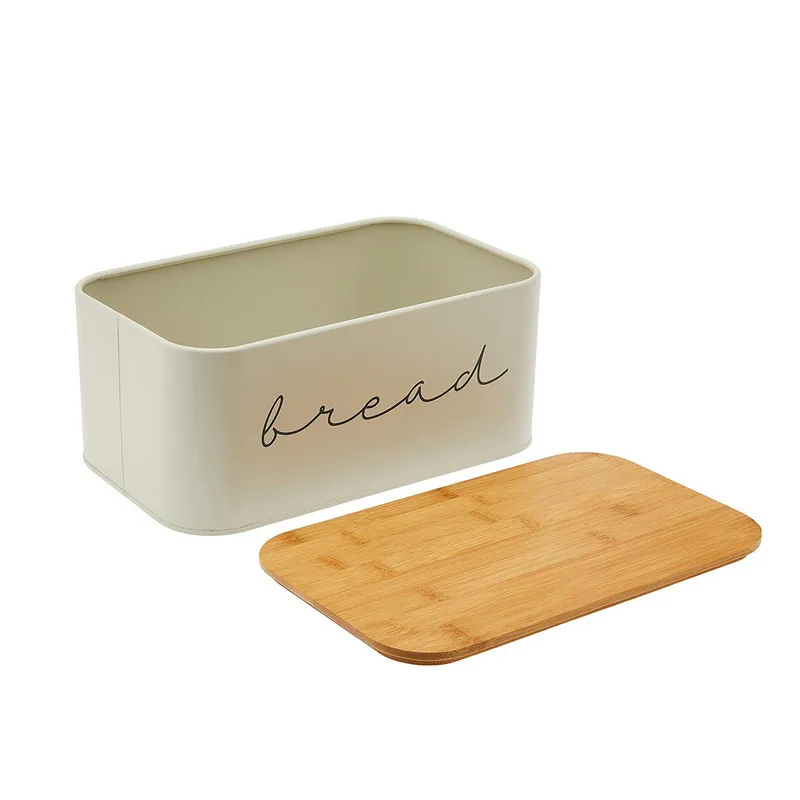
1. Structural characteristics of bread boxes:
• Fixed outer shell
• Usually features a micro-ventilation design
• Provides light protection
• Stable internal space
2. Structural characteristics of plastic bags:
• Completely sealed (or nearly sealed)
• Prone to condensation
• Lacks structural support
• Does not provide light protection
These structural differences result in completely different performances in humidity control and air circulation.
Is a bread box more scientifically sound in terms of humidity control?
This is the core question.
The ideal storage environment for bread:
• Moderate humidity
• Limited air circulation
• Avoid temperature fluctuations
• Avoid condensation
The problems with plastic bags are:
• Internal moisture cannot escape
• Prone to condensation
• Humidity rises rapidly
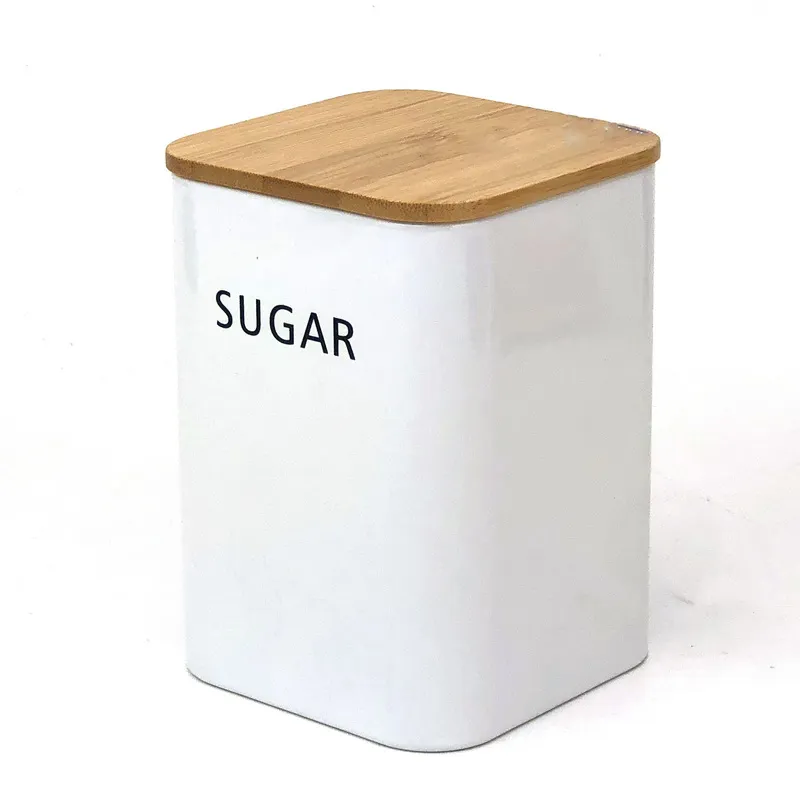
Bread storage boxes typically achieve humidity balance through "limited ventilation."
Therefore, bread storage boxes are significantly superior to plastic bags in terms of humidity control.
Is a bread box more effective at preventing mold?
Key conditions for mold growth include:
• High humidity
• Suitable temperature
• Spore attachment
Plastic bags, due to their sealed nature, allow moisture to accumulate more quickly. This is especially true when bread is placed in a plastic bag before it has completely cooled, causing the internal humidity to rise rapidly.
Bread storage boxes, on the other hand, provide:
• A stable air environment
• Reduced moisture accumulation
• Blocking external spores
Therefore, bread boxes are more advantageous in reducing the risk of mold growth.
Does a bread storage box better maintain the texture?
Plastic bags easily lead to the following problems:
• Softened crust
• Damp interior
• Sticky texture
Bread storage boxes, however, can:
• Maintain a crisp crust
• Control the rate of moisture evaporation
• Slow down starch retrogradation
From the perspective of texture stability, bread boxes perform better.
Are bread storage boxes more hygienic?
Plastic bags are usually single-use products, easily reused, and difficult to clean thoroughly.
Bread storage boxes offer the following advantages:
• Can be cleaned regularly
• Stable structure
• Less prone to water accumulation
Over the long term, bread storage boxes are easier to maintain a hygienic environment.
Do bread boxes offer advantages under varying humidity levels?
In high-humidity environments:
A damp environment is more likely to form inside plastic bags.
Bread storage boxes can isolate external moisture.
In dry environments:
Plastic bags cannot control airflow, and bread may dry out quickly.
Bread storage boxes can stabilize internal humidity.
Therefore, bread storage boxes are more adaptable to different climates.
Are bread storage boxes better suited for sourdough bread?
Sourdough bread contains natural organic acids and has a denser structure.
When sealed in plastic bags, moisture accumulation is more pronounced.
Bread storage boxes, with their micro-ventilation structure, are more conducive to maintaining the humidity balance of sourdough bread.
Therefore, using bread boxes to store sourdough bread is more reasonable.
Are bread boxes more reliable in terms of dust and insect prevention?
Plastic bags, if not sealed tightly, can easily allow dust or small insects to enter.
Bread storage boxes offer:
• A fixed lid
• Enclosed space
• Better physical barrier
Therefore, bread storage boxes are superior in terms of dust and insect prevention.
Are bread storage boxes more conducive to kitchen tidiness?
From a storage perspective, plastic bags:
• Easily collapse
• Inconvenient to stack
• Visually cluttered
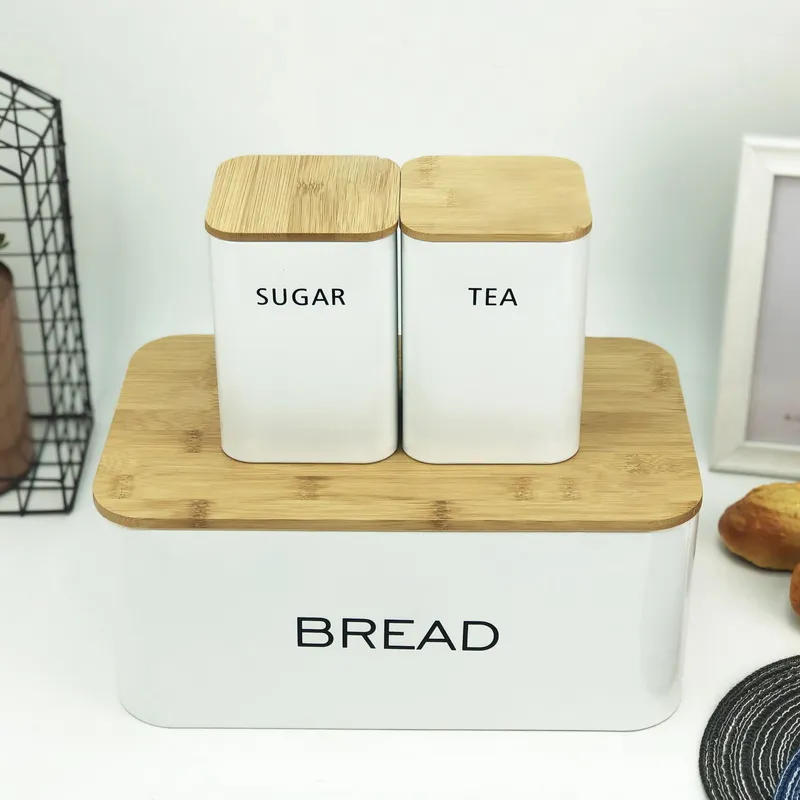
Bread storage boxes:
• Uniform appearance
• Easy to place
• Saves countertop space
In a kitchen storage system, bread boxes are more organized and organized.
Are bread storage boxes more durable?
Plastic bags are typically for single or short-term use.
Bread storage boxes can be used for a long time, are structurally sturdy, and are not easily deformed.
From a lifespan perspective, bread storage boxes are more economical.
Are bread storage boxes safer?
High-quality bread storage boxes typically use:
• Food-grade metal
• Food-grade plastic
• Bamboo and wood materials
Inferior plastic bags may have material instability issues.
Choosing a reputable bread box ensures greater safety.
Are there situations where plastic bags are better?
For very short-term storage (e.g., same-day consumption), plastic bags can be a temporary option.
However, considering:
• Preservation effect
• Risk of mold
• Hygiene
• Structural stability
bread storage boxes are still superior.
What certifications does your company hold?
Foshan Ever Rising holds ISO9001 quality certification, ISO14001 environmental management certification, SA8000 social responsibility certification, and China Customs AEO Advanced Certification. These certifications demonstrate our commitment as a responsible manufacturer and supplier in China. Our factory adheres to strict standards in production, labor management, and environmental protection.