

Bread storage boxes are gaining increasing attention in everyday kitchens. Many families purchase them specifically to prolong the freshness of their bread.
However, some question whether bread storage boxes truly preserve bread, or if it's just a marketing gimmick.
This article will systematically analyze the actual function of bread boxes from multiple professional perspectives, including food science principles, storage environment control, material differences, sealing performance, and humidity regulation mechanisms.
We will focus on the core keyword "bread storage box," exploring whether it can truly extend bread freshness and under what conditions it works best.
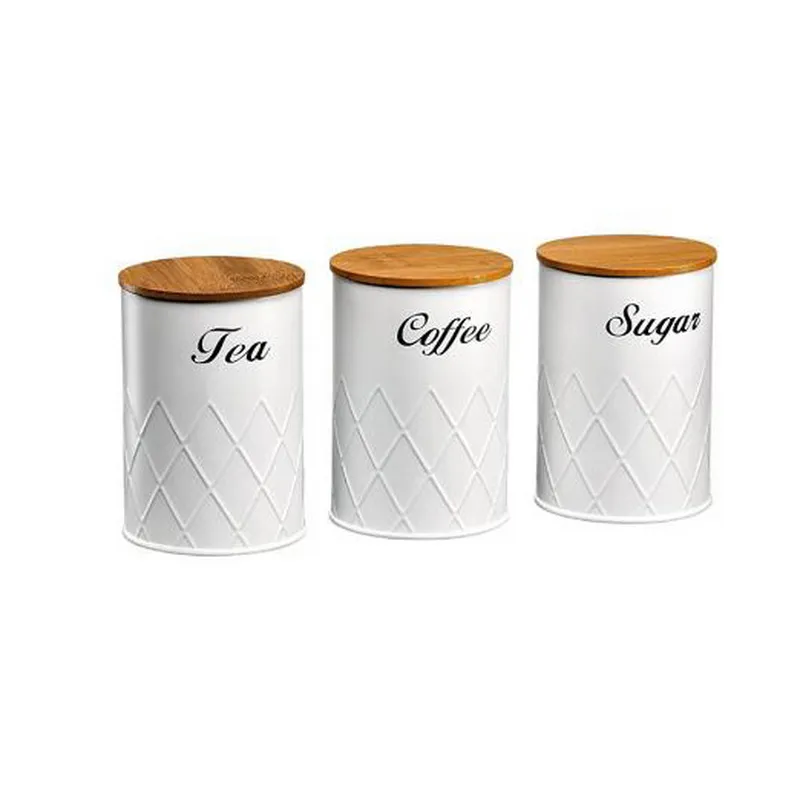
Why Does Bread Dry Out or Mold?
Before judging the effectiveness of bread storage boxes, it's essential to understand why bread spoils.
The main components of bread include:
• Starch
• Moisture
• Protein
• Yeast fermentation products
Bread spoilage typically involves two situations:
1. Bread Drys Out (Staleness)
Drying out bread is not simply a matter of moisture evaporation. Scientifically known as "starch retrogradation," this occurs when the starch structure in bread changes, causing the bread to harden even when moisture is still present.
2. Bread Molding
Mold growth is caused by mold multiplying under suitable humidity and temperature conditions. High humidity, poor air circulation, and warm environments all accelerate mold growth.
Therefore, a truly effective bread box must simultaneously:
• Control humidity
• Reduce air exchange
• Prevent condensation buildup
• Prevent mold growth
Can bread storage boxes really slow down bread staling?
This is the core question.
The Basic Principles of Bread Boxes
A well-designed bread storage box typically has the following functions:
1. Reduce air circulation
2. Stabilize internal humidity
3. Avoid direct sunlight
4. Provide a relatively constant temperature environment
These conditions can slow down the rate of moisture loss, thus slowing down the starch retrogradation process.
Compared to direct air exposure
If bread is placed directly in the air, moisture evaporates extremely quickly. Using a bread storage box:
• Slower moisture evaporation
• Reduced impact from external airflow
• Lower temperature fluctuations
From a scientific perspective, bread boxes do indeed slow down the drying process.
Do bread boxes increase the risk of mold?
Many people worry that a sealed environment will lead to mold.
Actually, this depends on the structural design of the bread storage box.
The key is humidity balance.
A completely sealed container, if the internal humidity is too high, can indeed accelerate mold growth.
However, high-quality bread boxes typically have:
• Moderately breathable design
• Air circulation holes
• Humidity regulation structure
A well-designed bread storage box is not completely sealed, but rather "controls moisture rather than locks it in."
Therefore, a well-designed bread box will not increase the risk of mold; on the contrary, it can reduce external contamination.
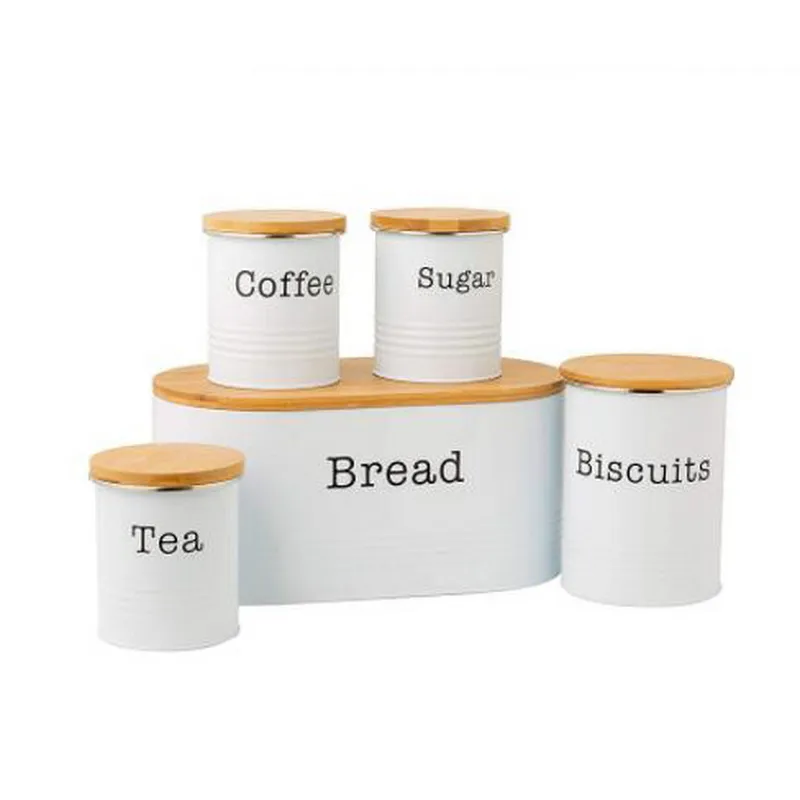
Which material is better for bread storage boxes?
The material directly affects the stability of the internal microenvironment.
Wooden Bread Storage Box
Advantages:
• Naturally absorbs moisture
• Maintains humidity balance
• Warm appearance
Disadvantages:
• May absorb excessive moisture in high humidity environments
• Relatively difficult to clean
Wooden bread boxes are suitable for relatively dry environments.
Metal Bread Storage Box
Advantages:
• Durable
• Easy to clean
• Structurally stable
Disadvantages:
• Conducts heat quickly
• Prone to condensation without ventilation
Metal bread boxes require a well-ventilated design.
Plastic or Acrylic Bread Storage Box
Advantages:
• Lightweight
• Low cost
•Strong sealing
Disadvantages:
• Poor air permeability
•Prone to condensation
When choosing, pay attention to whether it has a dehumidification design.
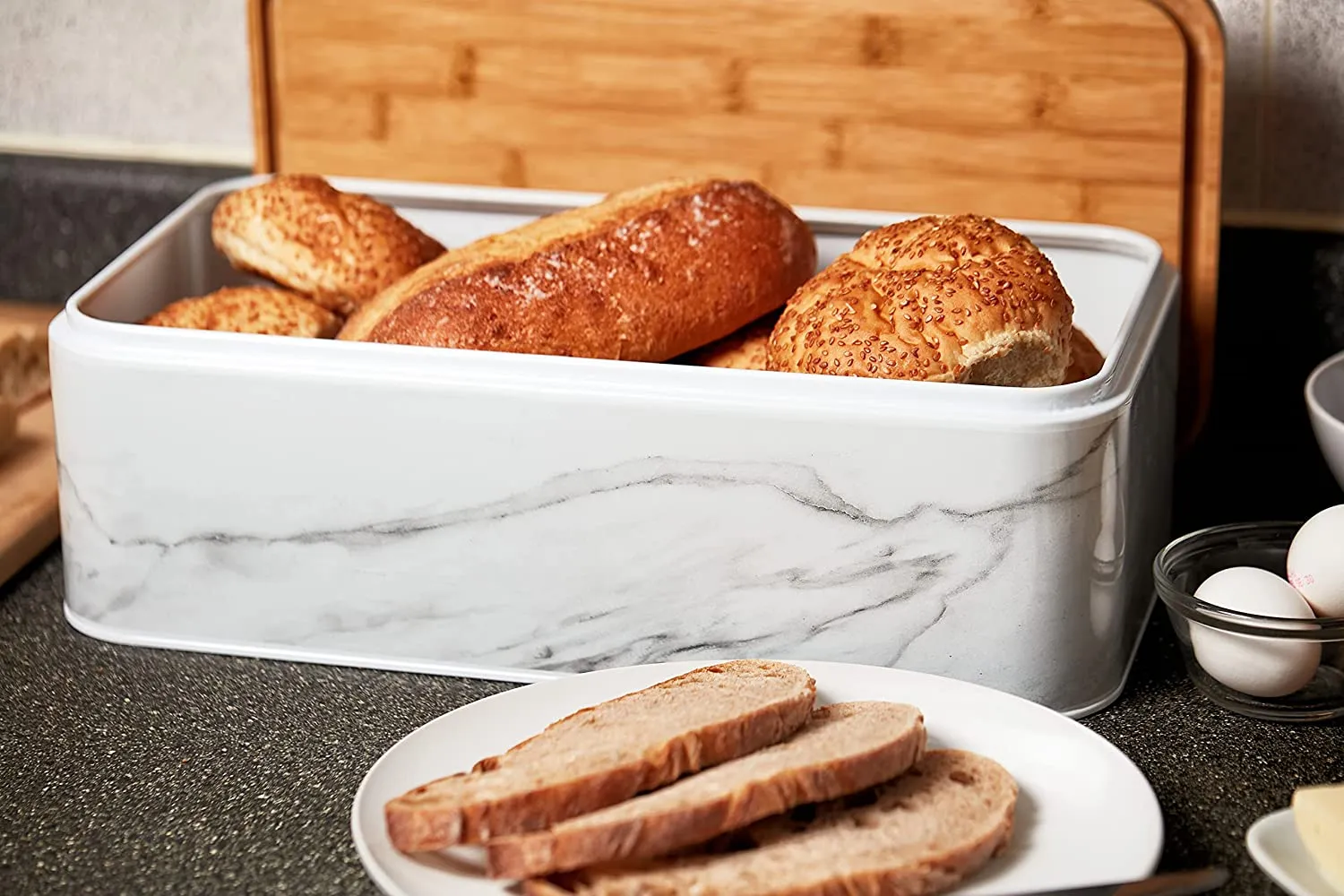
Is a bread storage box better than a refrigerator?
This is a common misconception.
The Effects of a Refrigerator on Bread
A refrigerated environment (around 4°C) accelerates starch retrogradation, causing bread to harden faster.
Therefore:
• Refrigerators are not suitable for short-term bread storage.
• Room temperature bread boxes are better for maintaining softness.
Unless long-term storage is required, bread boxes are generally better than refrigeration.
How long can bread storage boxes extend shelf life?
At normal room temperature (18-25℃):
• Without a bread storage box: noticeably drier in 1-2 days.
• With a bread storage box: can extend shelf life to 2-4 days while still maintaining good texture.
The specific time depends on:
• The moisture content of the dough.
• Whether it is sliced.
• Ambient humidity.
While bread storage boxes cannot extend shelf life indefinitely, they do significantly improve short-term storage performance.
Are bread storage boxes suitable for all types of bread?
Different breads have different structures.
Suitable Bread Storage Box Types
• Toast
• Baguette (short-term)
• Dinner rolls
• Soft European bread
Less Suitable Types
• High-moisture sweet bread (prone to mold)
• Filled bread (requires refrigeration)
Therefore, bread storage boxes are more suitable for unfilled, low-moisture breads.
Does a bread storage box need to be completely sealed?
Many consumers mistakenly believe that the more sealed, the better.
In reality:
• Completely sealed → prone to moisture accumulation
• Completely open → prone to drying out
An ideal bread box should have a "micro-ventilation" structure.
Micro-ventilation can:
• Balance humidity
• Reduce condensation
• Inhibit mold growth
What is the difference between a bread storage box and a regular box?
Regular storage boxes:
• Emphasize storage
• Do not consider food humidity management
• Simple sealing structure
Professional bread storage boxes:
• Focus on air circulation control
• Designed for moisture protection
• Adapt to bread characteristics
Therefore, the two cannot be simply equated.
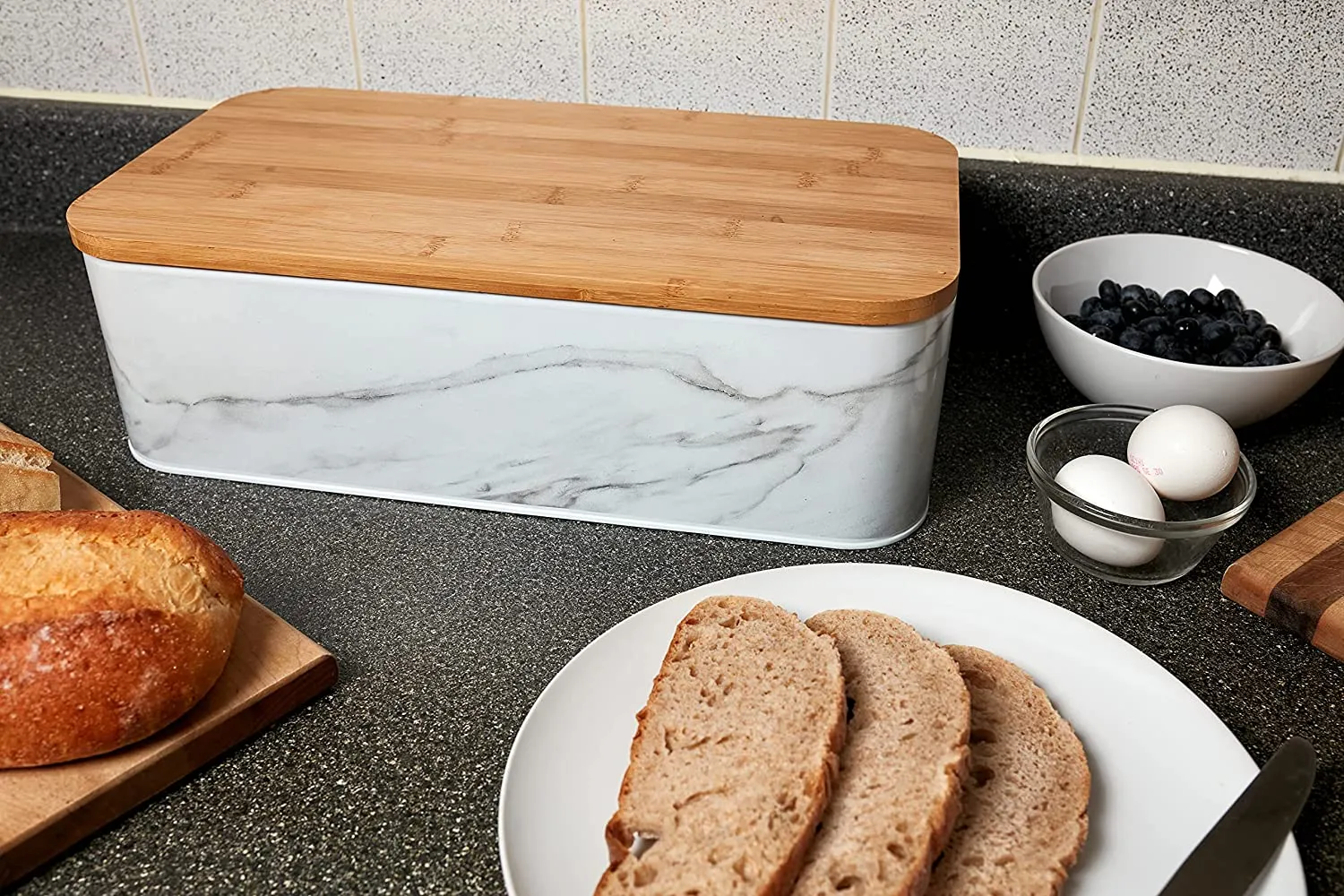
Is a bread storage box really worth buying?
From a functional perspective:
Advantages:
• Slows down drying
• Improves kitchen tidiness
• Prevents external contamination
• Maintains texture
Limitations:
• Cannot prevent natural aging
• Cannot preserve bread for long periods
If you frequently eat bread, a bread storage box is a worthwhile investment.
How to use a bread storage box correctly for best results?
1. Ensure the bread is completely cooled before placing it in the box.
2. Avoid high humidity environments.
3. Clean the inside regularly.
4. Avoid direct sunlight.
5. Do not store with high-moisture foods.
Proper use is more important than simply buying one.
Do bread storage boxes really keep bread fresh? Final Conclusion
Based on the principles of food science and practical usage:
✔ Bread storage boxes can slow down moisture loss.
✔ Bread storage boxes can stabilize humidity.
✔ Bread storage boxes can reduce air pollution.
✔ Bread storage boxes can extend short-term shelf life.
However:
✘ Bread storage boxes cannot prevent starch retrogradation.
✘ Bread storage boxes cannot extend shelf life indefinitely.
Therefore, the answer is—bread storage boxes can indeed keep bread fresher for a reasonable period, but only if the right materials and structure are chosen and the food is used correctly.
For everyday households, bread boxes are a scientific and practical preservation tool, not just a decorative item.
If you frequently buy or make bread, choosing a well-designed bread storage box will significantly improve the storage experience and the quality of your food.
Do you offer customized solutions?
Yes, Customized service is one of our core strengths. As a professional China Supplier and Manufacturer, we support logo printing, private label packaging, structural adjustments, and new product development based on customer requirements. Whether you want to modify a Wine Rack design, create a unique Bread Box series, or develop an exclusive Kitchen Storage Rack for your Brand, our Factory engineering team works closely with your Purchasing department.