

In the modern home, the kitchen is more than just a place for cooking; it is a vital reflection of one's quality of life. Among the myriad of kitchen organization tools available, the "kitchen storage rack" undoubtedly stands out as a core product for maximizing space utilization and enhancing overall tidiness.
So, what exactly is a kitchen storage rack? What different types are available? And—most importantly—how should one go about determining the appropriate size when making a purchase?
This article will provide a systematic and professional analysis of these key questions, helping you gain a comprehensive understanding of kitchen storage racks and make a more informed decision.
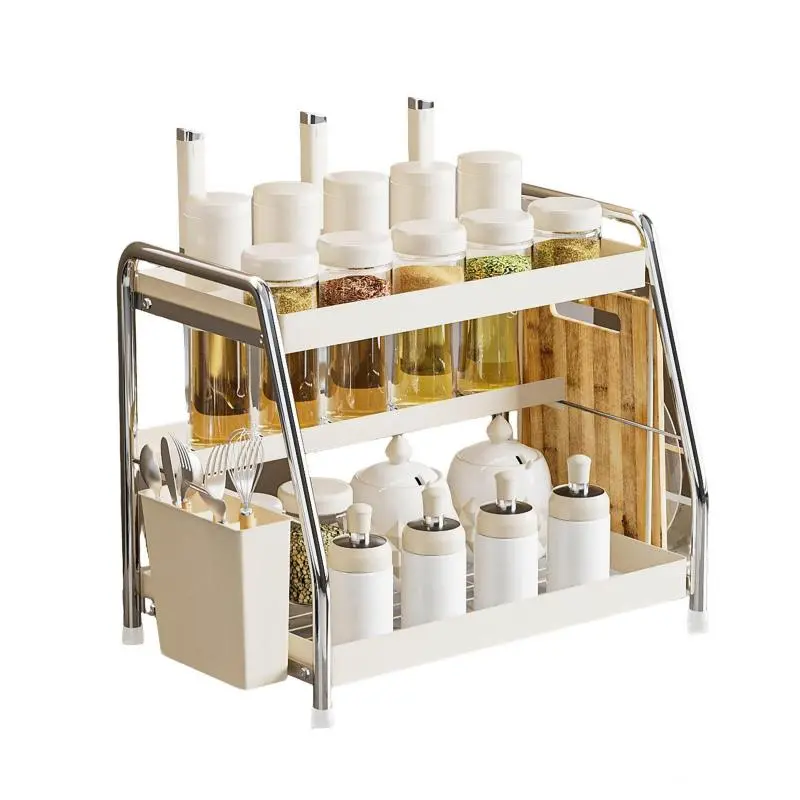
What Is a Kitchen Storage Rack?
A kitchen storage rack is a piece of organizational equipment specifically designed for the kitchen environment, primarily used for storing items such as tableware, condiments, cookware, and ingredients. Through multi-tiered designs or vertical structures, these racks enable more efficient storage within limited spaces, thereby improving the kitchen's overall neatness and operational efficiency.
Structurally, kitchen storage racks typically consist of support frames, shelving units, hooks, or various accessory components. They are commonly constructed from materials such as stainless steel, carbon steel, plastic, or wood. Depending on the installation method, kitchen storage racks can be categorized into various forms, including floor-standing, wall-mounted, countertop, and built-in units.
The core value of a kitchen storage rack lies in "space optimization" and "categorized storage." Through intelligent layout design, it not only prevents the kitchen from becoming cluttered and disorganized but also ensures that daily cooking tasks proceed more smoothly and efficiently.
What Are the Common Types of Kitchen Storage Racks?
1. Floor-Standing Kitchen Storage Racks
Floor-standing racks are best suited for larger kitchens, where they are typically positioned in corners or open areas. Their primary advantages include high storage capacity and robust load-bearing capabilities, making them ideal for storing heavier items such as pots, pans, rice, and flour.
2. Countertop Kitchen Storage Racks
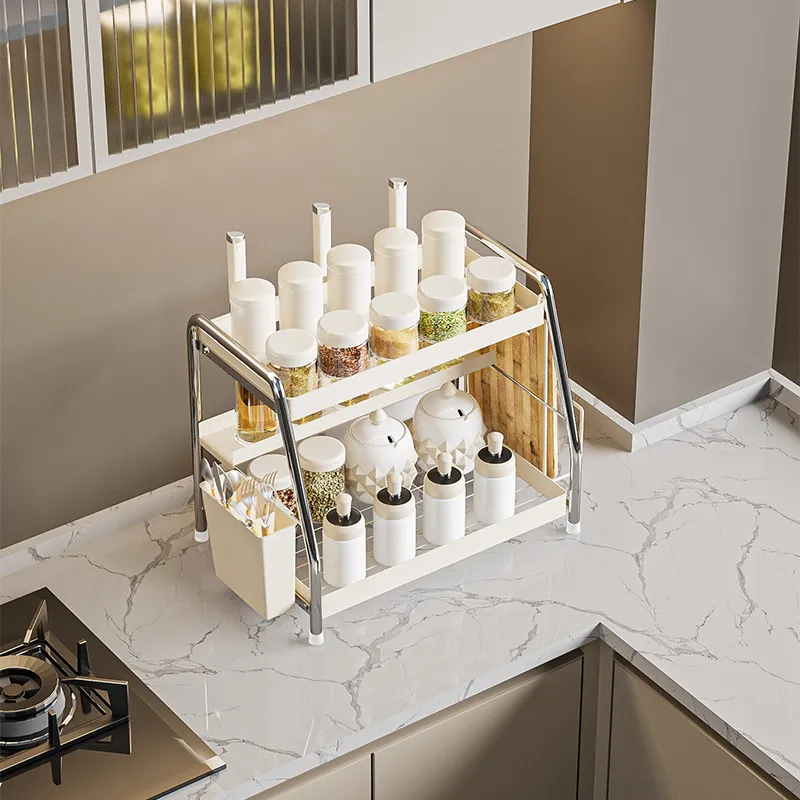
Countertop racks are generally placed directly on the kitchen counter or work surface, serving as a spot to organize condiment bottles, knives, or frequently used tableware. This type of rack prioritizes convenience, ensuring that essential items remain easily accessible and within arm's reach.
3. Wall-Mounted Kitchen Storage Racks
Wall-mounted racks are installed directly onto the kitchen walls, allowing for the full utilization of vertical space—a feature particularly beneficial for smaller kitchens. They are commonly used for hanging tools and utensils such as knives, spatulas, and spoons. 4. Multi-functional Modular Kitchen Storage Rack
This type of kitchen storage rack typically combines various storage features—such as hooks, drawers, and spice racks—making it ideal for users with high demands for organization.
How Should You Choose the Right Size for a Kitchen Storage Rack?
When purchasing a kitchen storage rack, "size" is one of the most critical factors. Choosing the wrong size not only compromises the user experience but can also lead to wasted space or even difficulties during installation.
Below, we provide a detailed breakdown of the principles for selecting kitchen storage rack dimensions from multiple perspectives.
What Factors Should Be Considered When Choosing Kitchen Storage Rack Dimensions?
1. How Does Kitchen Space Size Influence the Rack's Dimensions?
The dimensions of a kitchen storage rack must be compatible with the overall size of the kitchen. If the kitchen area is small, prioritize narrow, multi-tiered racks to conserve floor space; conversely, for larger kitchens, you can opt for wider racks with more shelving tiers.
General Recommendations:
• Small Kitchens: Width of 30–60 cm
• Medium Kitchens: Width of 60–100 cm
• Large Kitchens: Width exceeding 100 cm
Selecting a rack of appropriate dimensions helps prevent overcrowding while enhancing the overall harmony of the kitchen layout.
2. How Should the Height of the Kitchen Storage Rack Be Determined?
The height of a kitchen storage rack depends primarily on the user's physical stature and usage habits. Generally speaking:
• Countertop Racks: Height of 30–60 cm
• Floor-standing Racks: Height of 80–180 cm
• Wall-mounted Racks: Recommended installation height of 120–160 cm from the floor
Choosing a rack at a suitable height effectively minimizes the need to bend down or stand on tiptoes, thereby improving user comfort and convenience.
3. How Should the Shelf Spacing Be Designed for Optimal Functionality?
Shelf spacing—the vertical distance between shelves—is a crucial yet often overlooked aspect of kitchen storage rack design. Different items require different vertical clearances:
• Spice Jars/Bottles: 15–25 cm
• Bowls and Plates: 20–30 cm
• Pots and Pans: 30–40 cm
Therefore, choosing a rack with adjustable shelves offers a more flexible solution, allowing you to freely customize the shelf heights to suit your specific storage needs.
4. What Depth Should You Choose for a Kitchen Storage Rack?
The depth of a kitchen storage rack typically ranges from 20 to 50 cm. The specific choice should be determined based on the items to be stored and the intended installation location:
• Countertop storage racks: 20–30 cm
• Floor-standing storage racks: 30–50 cm
• Wall-mounted storage racks: 15–25 cm
A kitchen storage rack that is too deep may make it difficult to access items placed at the back, while one that is too shallow will limit storage capacity; therefore, it is essential to strike a balance between practicality and space utilization.
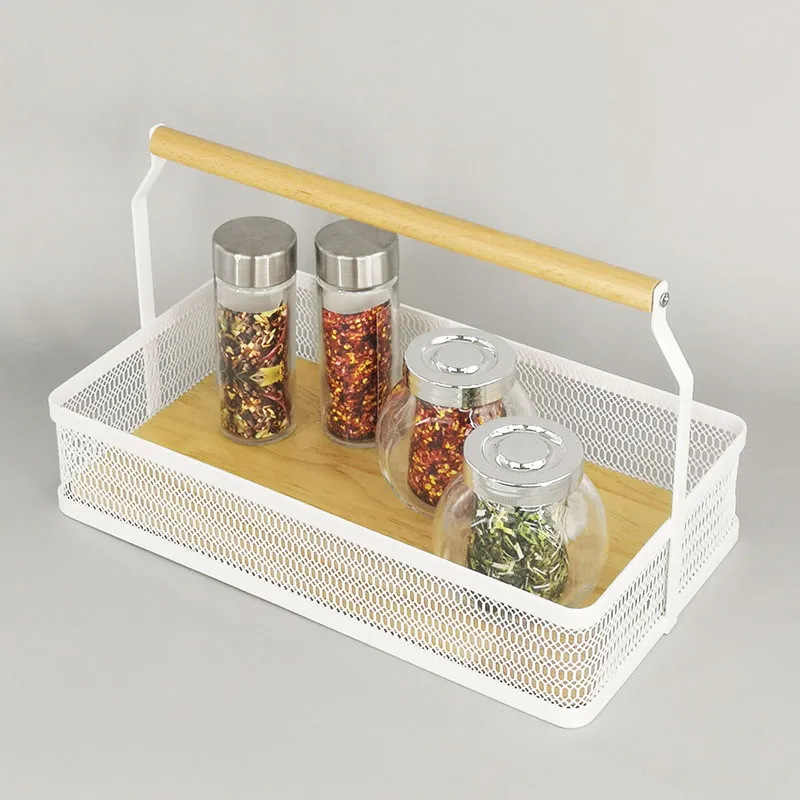
How do you choose the right kitchen storage rack size for different usage scenarios?
1. How to choose kitchen storage rack sizes for small kitchens?
For small kitchens, priority should be given to:
• Narrow designs (width ≤ 50 cm)
• Multi-tiered structures (height ≥ 150 cm)
• Wall-mounted or modular combination storage racks
This approach maximizes the use of vertical space while minimizing floor area occupancy.
2. Do large kitchens require larger storage racks?
Although large kitchens offer ample space, bigger is not necessarily better. It is recommended to select different storage rack sizes based on functional zones—for example:
• Condiment zone: Small countertop storage rack
• Ingredient zone: Medium-sized floor-standing storage rack
• Tool zone: Wall-mounted storage rack
Organizing by functional zones is more efficient than relying on a single, oversized storage rack.
3. How to optimize storage rack sizes when countertop space is limited?
When countertop space is limited, you should choose:
• Multi-tiered stacking designs
• Moderate width (40–60 cm)
• Shallower depth (20–25 cm)
This type of storage rack allows for efficient organization without occupying excessive countertop space.
Common Pitfalls When Choosing Kitchen Storage Rack Sizes
1. Focusing solely on aesthetics while ignoring size compatibility
Many people prioritize aesthetic design when selecting a kitchen storage rack, overlooking whether its dimensions actually fit the available space—a mistake that often leads to inconvenience during use.
2. Overemphasizing maximum capacity
Greater capacity is not always superior; if a storage rack is excessively large, it can actually create a sense of visual clutter and make the space feel cramped.
3. Neglecting actual usage habits
Size selection should be guided by your actual frequency of use and operational habits, rather than relying solely on standard specifications.
How to accurately measure for a kitchen storage rack?
Before purchasing a kitchen storage rack, we recommend taking the following measurements:
1. Measure the width and height of the available space.
2. Determine the intended placement location (countertop, floor, or wall-mounted).
3. Note down the dimensions of the items you use most frequently.
4. Allow for a clearance margin of at least 5–10 cm.
Following these steps will effectively help you avoid issues related to unsuitable dimensions.
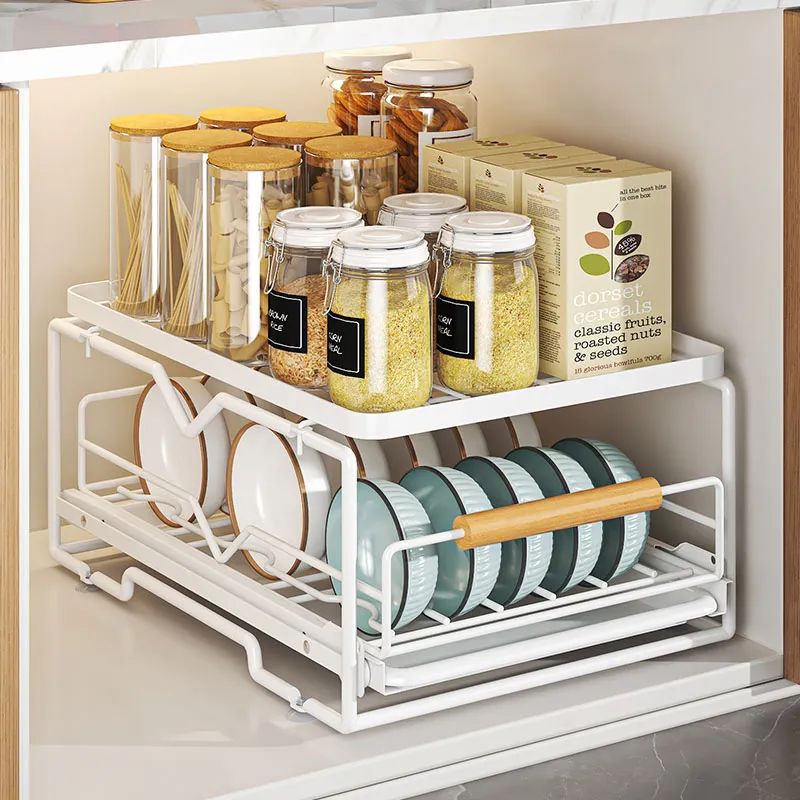
The Relationship Between Kitchen Storage Rack Dimensions and Materials
Kitchen storage racks made from different materials often feature distinct design characteristics regarding size:
• Stainless Steel Racks: Offer high load-bearing capacity and are well-suited for larger dimensions.
• Plastic Racks: Lightweight and ideal for smaller-sized applications.
• Wooden Racks: Best suited for medium-sized applications, with a strong emphasis on aesthetic appeal.
When selecting a size, you should take into account the load-bearing capacity of the specific material in question.
Practical Tips for Choosing the Right Kitchen Storage Rack Size
To ensure your kitchen storage rack serves its purpose most effectively, consider the following suggestions:
• Prioritize racks with adjustable structures or components.
• Select a combination of different rack sizes based on how you categorize your items.
• Avoid purchasing too many large-sized racks all at once.
• Ensure that the placement maintains a smooth workflow and does not obstruct your movements or operations.
What materials are used in your metal products?
We primarily use high-quality carbon steel and stainless steel, combined with powder coating or chrome finishing, to enhance durability and corrosion resistance. As a responsible supplier and manufacturer based in China, our company carefully selects our raw material suppliers to ensure consistent quality standards. Whether we are producing dish racks, bathroom racks, trivets, or coffee capsule holders, our factory places a strong emphasis on structural strength, surface smoothness, and long-term performance.