

In daily life, many people encounter this question: Is it better to store bread in the refrigerator or a bread box? Some people believe that refrigerators can extend shelf life, while others insist on using bread storage boxes for room temperature storage.
So, from the perspective of food science and practical storage principles, which method is more scientific and reasonable?
This article will systematically analyze the advantages and disadvantages of refrigerator storage versus bread box storage to help you make a more informed choice.
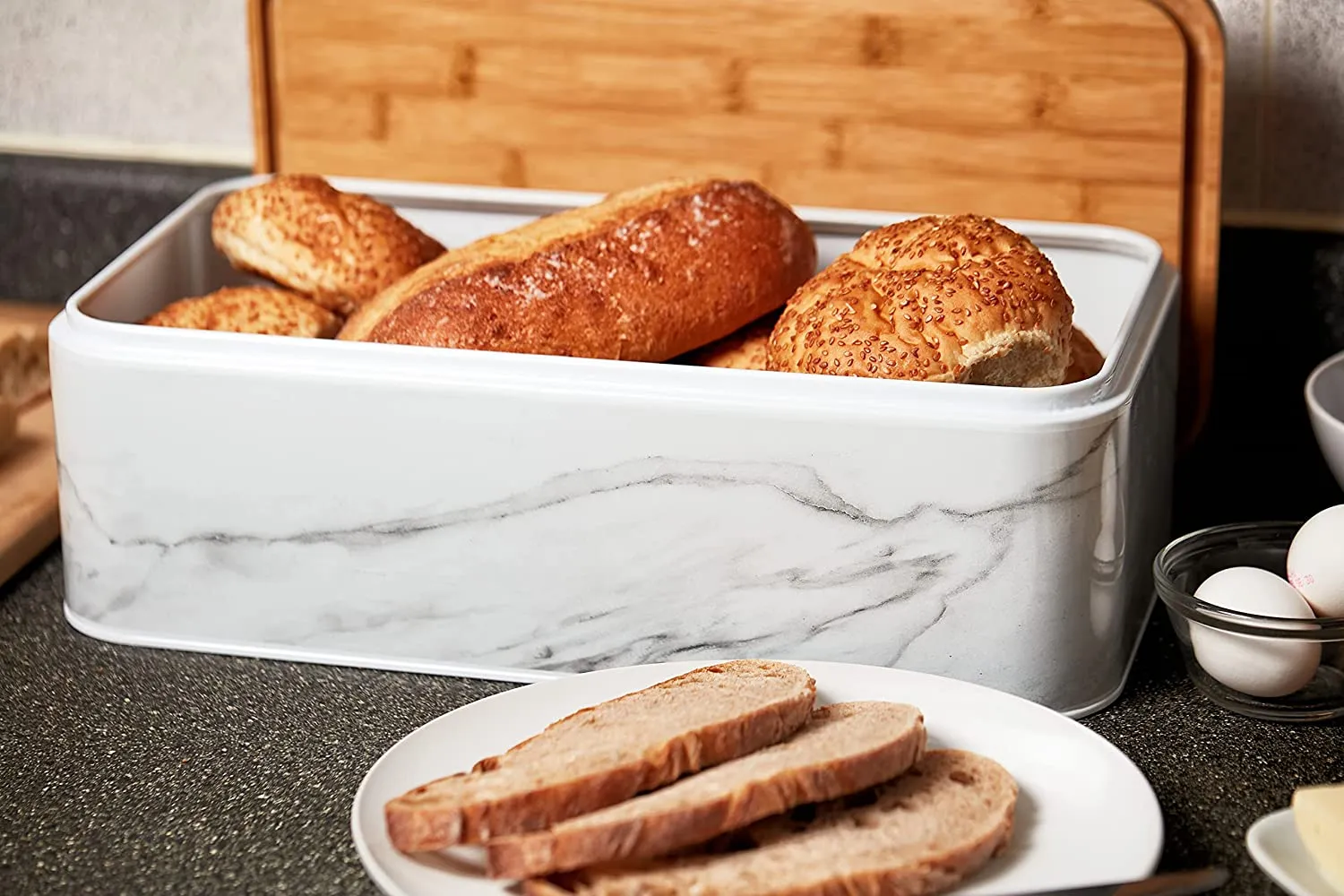
Why does bread dry out and harden?
Before discussing "refrigerator or bread storage box is better," we must first understand the fundamental reasons for bread spoilage.
Bread spoilage mainly includes two aspects:
1. Starch retrogradation
2. Moisture loss
Starch retrogradation is the key to hardening.
Many people mistakenly believe that bread hardens because of moisture evaporation. In fact, the real core reason is that starch molecules rearrange themselves at low temperatures, forming a more stable crystalline structure, thus causing the bread to harden.
This phenomenon is most pronounced between 0℃ and 10℃.
Refrigerator temperatures are typically around 4°C, which is within the peak range for starch retrogradation.
Therefore, from a scientific perspective, refrigerators are not suitable for short-term bread storage.
How does a bread box slow down bread hardening?
Compared to refrigerators, the core advantage of a bread box lies in its "room temperature microenvironment management."
A well-designed bread storage box can:
• Reduce air circulation
• Stabilize internal humidity
• Avoid direct sunlight
• Slow down moisture evaporation
At room temperature (18–25°C), starch retrogradation occurs much slower than in a refrigerated environment. Therefore, bread boxes can better maintain bread's softness in the short term.
Does a refrigerator really keep bread fresher?
This is a very common misconception.
Advantages of a refrigerator:
• Inhibits mold growth
• Reduces the rate of microbial reproduction
Disadvantages of a refrigerator:
• Accelerates starch retrogradation
• Bread hardens quickly
• Moisture redistributes at low temperatures
• Significantly reduces texture
If bread is to be eaten within 1–2 days, refrigerating it will actually cause it to lose its softness faster.
Therefore, a refrigerator is not an ideal method for short-term storage.
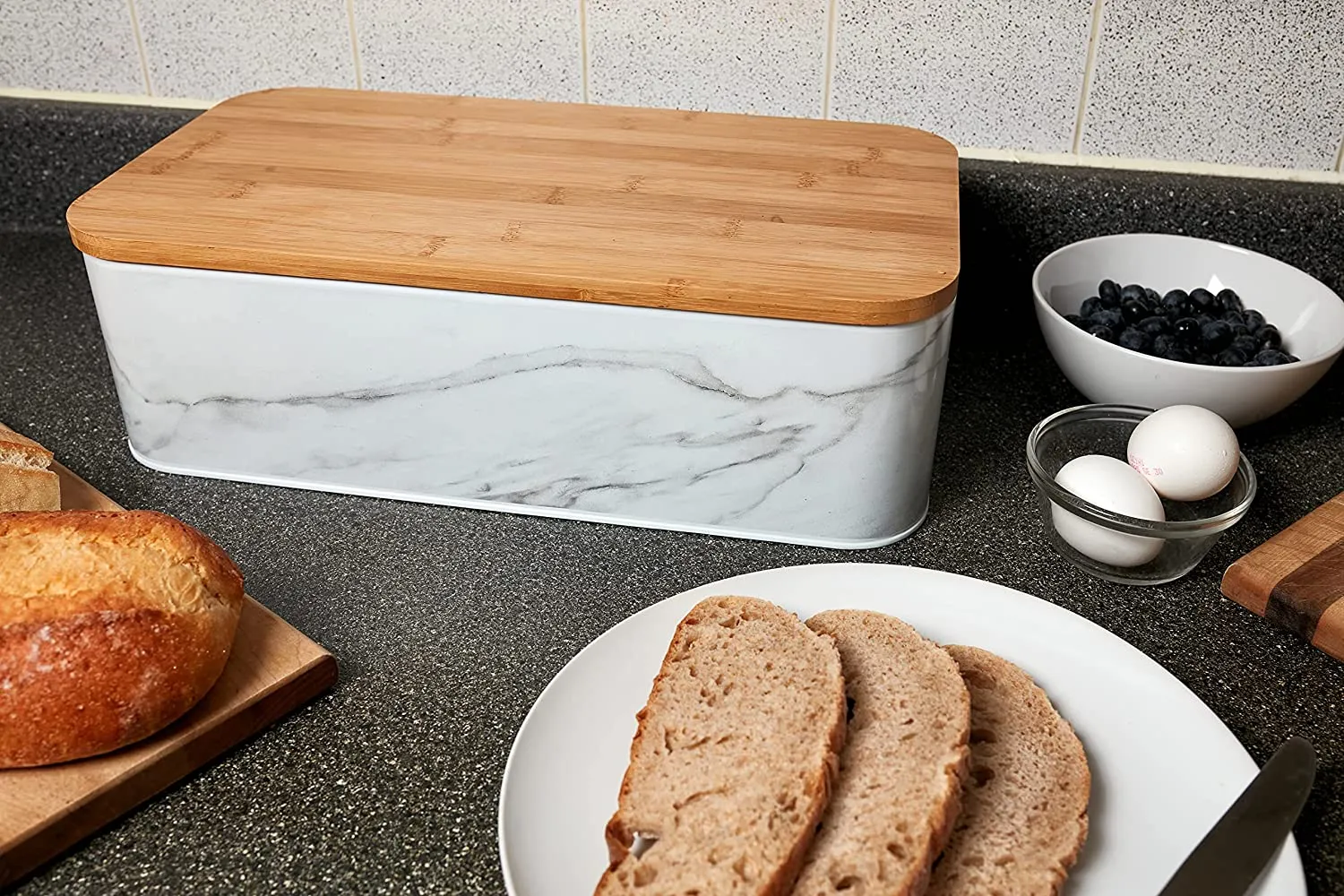
Will a bread storage box cause bread to mold?
Many people worry that bread will mold if stored at room temperature.
In fact, mold growth requires:
• High humidity
• A warm environment
• A long period of time
High-quality bread storage boxes usually use a "micro-ventilation design," which controls airflow while preventing moisture buildup.
As long as:
• The bread is completely cooled before placing it in the box
• The bread storage box is kept clean
• It is not placed in a high-humidity environment
The risk of mold growth is low within 1-3 days at room temperature.
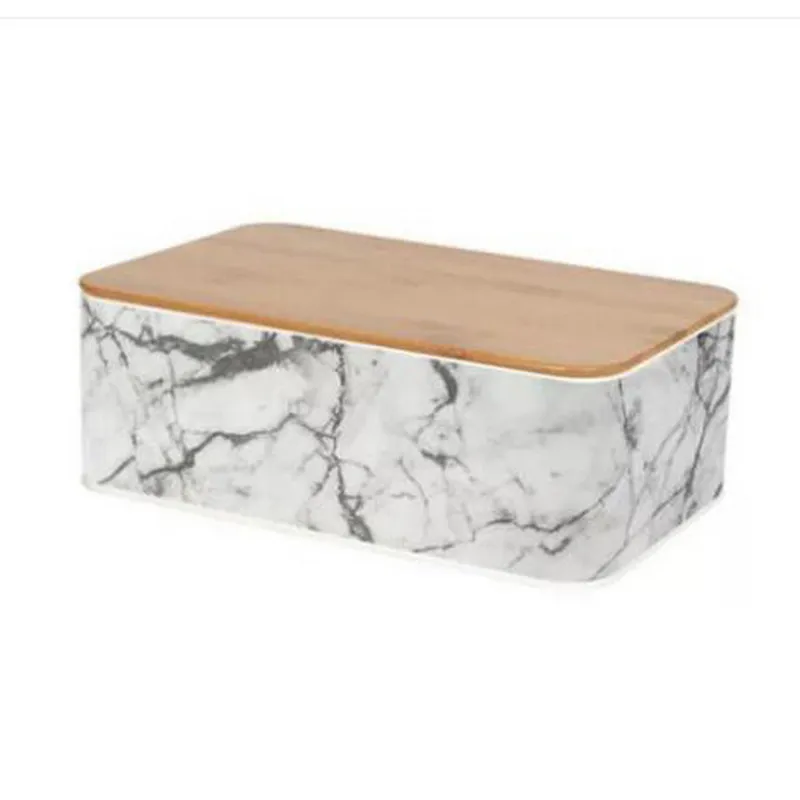
Should you choose a refrigerator or a bread box for short-term bread storage?
If you plan to consume it within 48 hours:
✔ A bread storage box is better than a refrigerator
Reasons:
• Slows down moisture loss
• Does not accelerate starch retrogradation
• Maintains a soft texture
Refrigeration will cause bread to harden significantly within a few hours.
Therefore, a bread storage box is recommended for short-term storage.
How should you store bread for long-term storage?
If you need to store bread for more than 3 days:
• Refrigeration ❌ Not recommended
• Freezing ✔ Recommended
Freezing temperatures (-18℃) can significantly slow down starch retrogradation.
Bread storage boxes are not suitable for long-term storage, but can be used as temporary storage before freezing.
Therefore, the storage time determines the choice of method.
How do bread boxes perform in different environments?
Dry Environment
Bread storage boxes effectively slow down moisture evaporation.
Humid Environment
A bread storage box with a reasonable ventilation structure is needed to avoid condensation.
In contrast, although refrigerators have high humidity, the low temperature will still accelerate hardening.
Is it better to put sliced bread in the refrigerator or a bread box?
Sliced bread has a large surface area, so it loses moisture faster.
In the refrigerator:
• Hardens faster
• Significantly deteriorates in texture
In a bread storage box:
• Slows down moisture evaporation
• Remains soft for longer
Therefore, sliced bread is more suitable for short-term storage in a bread storage box.
Does the material of the bread box affect the storage effect?
Material affects humidity stability.
Metal bread storage box
• Non-absorbent
• Easy to clean
• Structurally stable
Wooden bread storage box
• Has some moisture absorption capacity
• Regulates humidity
Regardless of the material, the key is whether the structural design is reasonable.
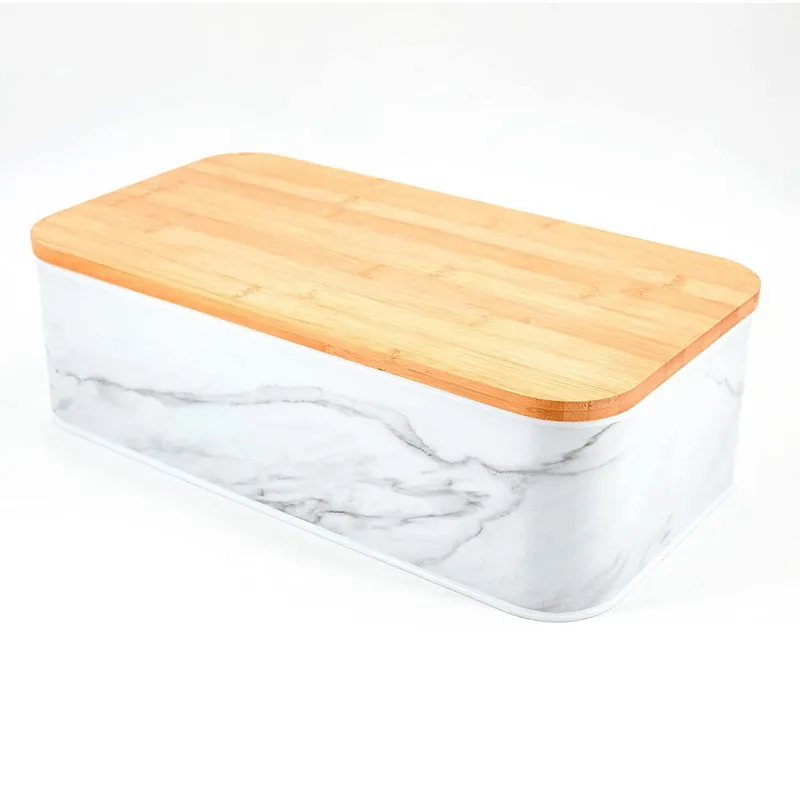
Why does bread in the refrigerator "deteriorate in texture"?
Low temperatures cause:
• Starch crystallization
• Tissue shrinkage
• Moisture redistribution
Even reheating makes it difficult to restore the original texture.
Storing bread in a bread box at room temperature helps maintain a more natural texture.
Are bread boxes suitable for all types of bread?
Suitable for:
• Toast
• Baguettes
• European-style bread
• Dinner rolls
Not suitable for:
• Breads with cream fillings
• High-moisture sweet breads
These should be refrigerated or frozen.
Is it better to store bread in the refrigerator or in a bread storage box?
Comparison Items | Refrigeration | Bread storage box |
| Hardening Speed | Fast | Slow |
| Maintaining Softness | Poor | Good |
| Risk of Mold | Low | Low (short-term) |
| Suitable Time | Transition before long-term freezing | Short-term storage |
| Maintaining Texture | Poor | Excellent |
From a taste and texture perspective, bread storage boxes are more suitable for daily short-term storage.
Is it better to store bread in the refrigerator or in a bread box?
If the question is "for daily consumption within 1-2 days":
✔ Choose a bread storage box.
If the question is "for storage beyond 3 days":
✔ Freezing is better.
✘ Refrigeration is not recommended.
Therefore, from a food science perspective:
• Refrigeration accelerates starch retrogradation.
• Bread storage boxes better maintain texture at room temperature.
Bread boxes are a more scientifically sound choice for short-term bread storage.
Do you support long-term cooperation?
Yes, building stable and long-term partnerships is a core objective of our Company. With over 30 years of experience in China’s metal household product industry, we understand the importance of consistent Supply, reliable Prices, and high quality standards. Many clients continuously Purchase Bread Boxes, Fruit Storage Baskets, Dish Racks, and Wine Racks from us for repeated Wholesale Sales cycles.