

In modern kitchen storage systems, fruit storage baskets are more than just simple containers; they play a crucial role in ventilation, categorization, preservation, and space management. Many people buy fruit storage baskets primarily for storing fruit, but their uses are far more extensive than imagined.
So, what can you put in a fruit storage basket? Is it only suitable for apples and bananas? Are all fruits suitable for fruit storage baskets? Can other foods or kitchen items be stored in them?
This article will systematically analyze the applicability of fruit storage baskets from the perspectives of food storage science, ventilation principles, humidity control, and kitchen categorization logic.
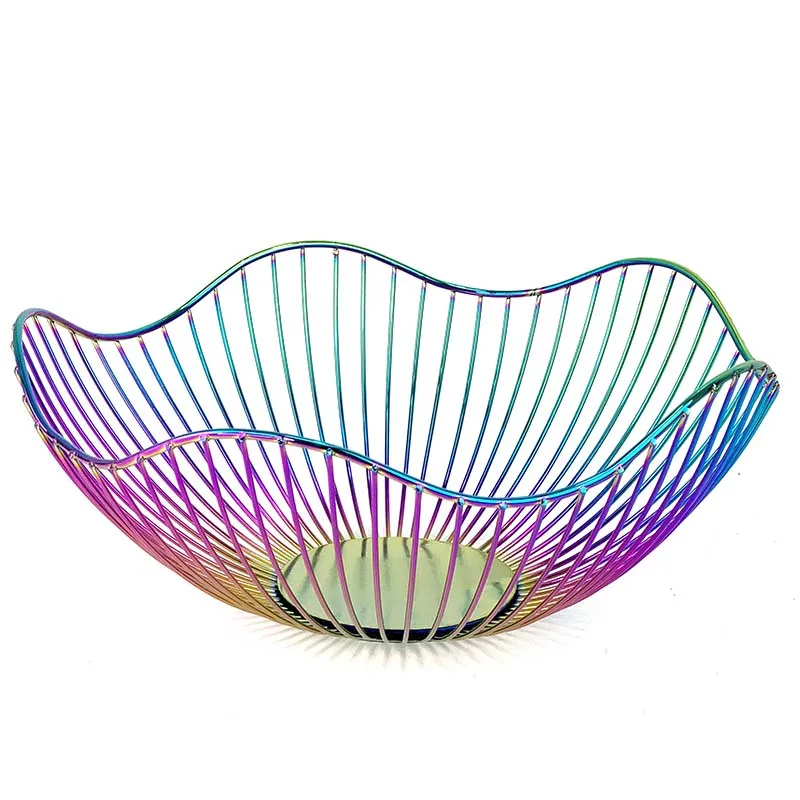
Why are fruit storage baskets suitable for storing fruit?
Fruit storage baskets typically possess the following structural features:
• Open or perforated design
• Good air circulation
• Multi-layer categorization
• Structural stability
Fruits release moisture and ethylene gas at room temperature. If the storage environment is sealed, moisture accumulation can easily lead to spoilage. Fruit storage baskets, with their excellent ventilation structure, allow for smoother air circulation, thereby reducing the problem of excessively high local humidity. Therefore, fruit storage baskets have a natural advantage in storing fruit at room temperature.
Which fruits are best placed in a fruit storage basket?
Not all fruits are suitable for refrigeration, nor do all fruits need to be sealed. Many fruits are actually better suited for storage in a fruit storage basket at room temperature.
1. Apples
Apples are resistant to storage and room temperature. Storing them in a fruit storage basket allows for good ventilation and reduces moisture buildup on the skin.
2. Pears
Pears have thin skins, and storing them in a fruit storage basket prevents them from being crushed and becoming damp.
3. Bananas
Bananas are not suitable for refrigeration. A fruit storage basket is an ideal storage location, but direct sunlight should be avoided.
4. Citrus Fruits
Oranges, tangerines, lemons, etc., are all suitable for storage in a countertop fruit basket. Good ventilation reduces the risk of mold.
5. Unripe Avocados
Unripe avocados can ripen naturally in a countertop fruit basket.
As can be seen, most resistant fruits at room temperature are suitable for storage in a countertop fruit basket.
Which fruits are unsuitable for countertop fruit baskets?
This is a crucial question.
1. Cut fruit
Cut fruit requires refrigeration and is not suitable for countertop fruit baskets.
2. Highly ripe fruit with damaged skin
These fruits are prone to bacterial growth, and placing them in a fruit storage basket can affect other fruits.
3. Berries (strawberries, blueberries)
Berry fruits have high water content and delicate skins, making them more suitable for refrigeration.
Therefore, fruit storage baskets are more suitable for whole fruits that can be stored at room temperature.
Can vegetables be placed in fruit storage baskets?
Many people ask: Are vegetables suitable for fruit storage baskets?
The answer is: Some vegetables can.
Vegetables suitable for fruit storage baskets:
• Onions
• Garlic
• Potatoes (avoid direct sunlight)
• Pumpkin
• Sweet potatoes
These vegetables also require a well-ventilated environment, which the structure of a countertop fruit basket perfectly meets.
However, please note:
• Potatoes and onions should not be stored together.
• High-moisture leafy vegetables are not suitable for countertop fruit baskets.
Therefore, countertop fruit baskets can be used to store some vegetables.
Can fruit storage baskets store dried goods?
Besides fruits and some vegetables, fruit storage baskets can also be used to store certain dried goods.
For example:
• Walnuts
• Almonds
• Peanuts
• Dried chili peppers
• Dried garlic
The ventilation structure of fruit storage baskets can prevent dried goods from getting damp.
However, if the ambient humidity is high, it is recommended to use moisture-proof measures.
Is fruit storage basket suitable for storing bread or pastries?
Theoretically, yes, but caution is advised.
Fruit storage baskets are usually open structures, and if the ambient humidity is high, bread can easily dry out or become damp.
Therefore, fruit storage baskets are more suitable for short-term storage of unsealed bread and not for long-term storage.
If you want to extend the shelf life of baked goods, it is recommended to use dedicated storage containers.
Can countertop fruit baskets be used as kitchen sorting tools?
Yes.
Besides food storage, countertop fruit baskets can also be used to categorize and store:
• Individually packaged snacks
• Individually packaged breakfast foods
• Tea bags
• Small packets of seasonings
Because countertop fruit baskets are usually open and easy to access, they are ideal for categorizing frequently used items.
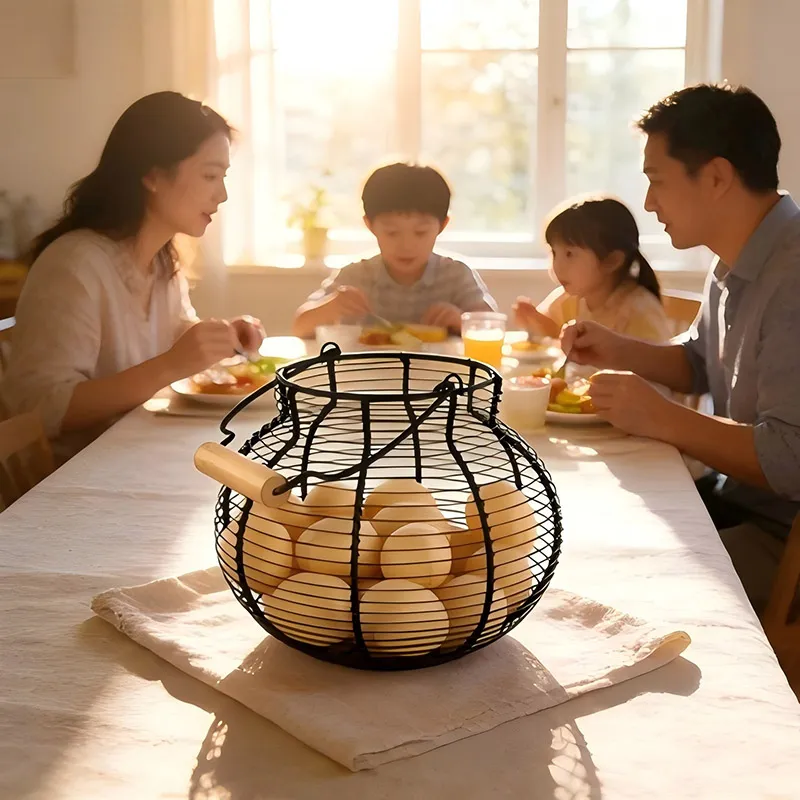
Can fruit storage baskets be used on the dining table?
Fruit storage baskets not only have practical functions but also display functions.
Placing fruit storage baskets on the dining table or kitchen countertop can:
• Make it easy to access fruit
• Improve the tidiness of the kitchen
• Enhance visual appeal
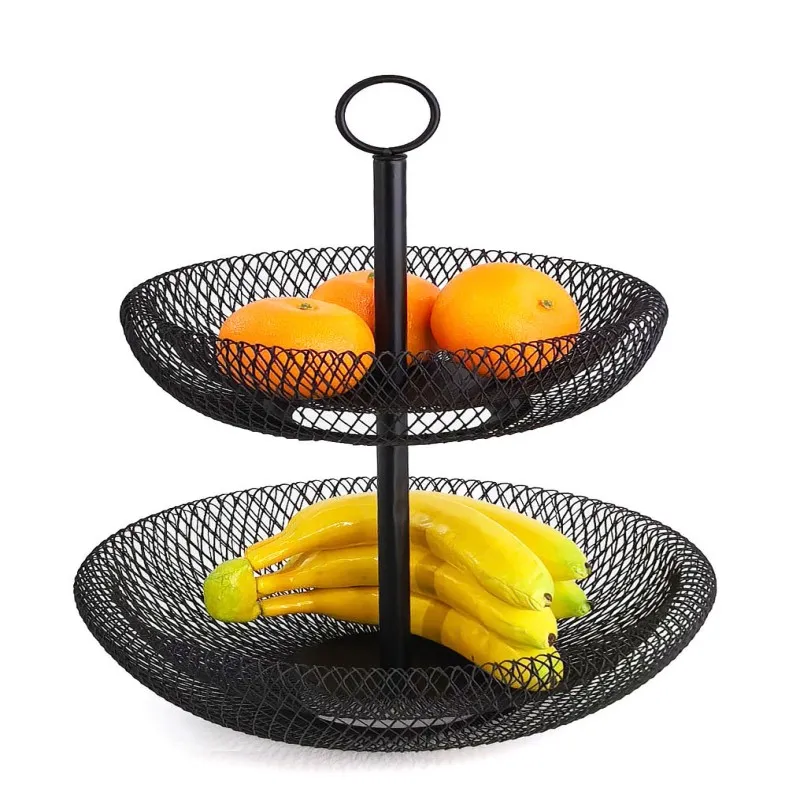
Especially multi-tiered fruit storage baskets, which can save space and improve utilization.
Can fruit storage baskets be used in layers?
Multi-tiered fruit storage baskets have significant advantages:
• Categorize different fruits
• Separate fruits with high ethylene release
• Reduc compression
For example:
Bananas on the top layer
Apples in the middle layer
Citrus fruits on the bottom layer
Through layered design, fruit storage baskets can manage fruit more scientifically.
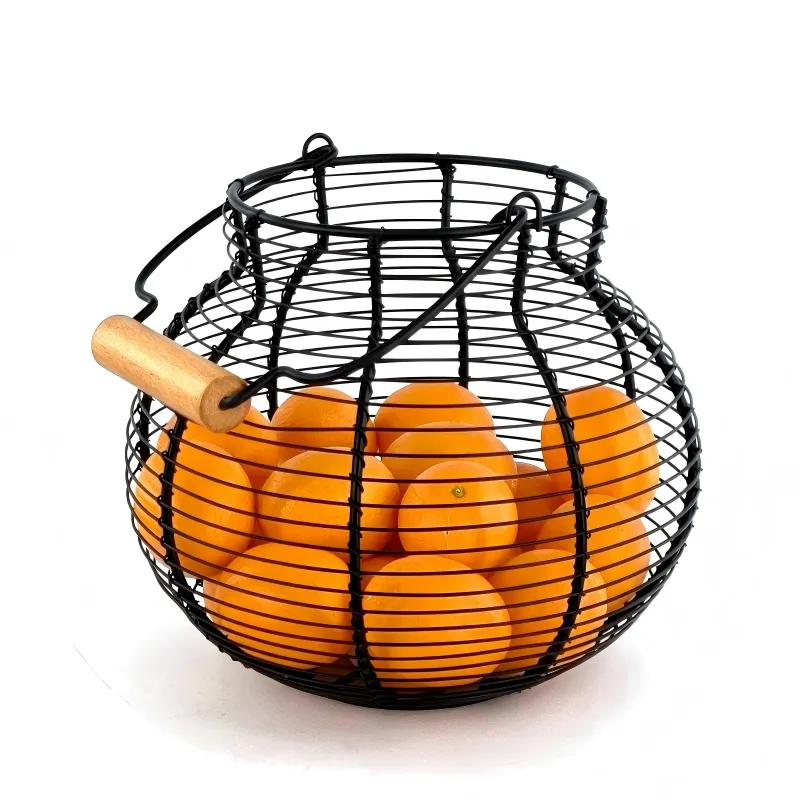
Do countertop fruit baskets help reduce waste?
Common causes of fruit spoilage include:
• Poor ventilation
• Overcrowding
• High humidity
Fruit storage baskets can slow down spoilage by improving air circulation and reducing stacking.
When fruit is within sight, it is also easier to eat it promptly.
Therefore, countertop fruit baskets can help reduce food waste to some extent.
Can different fruits be mixed in a countertop fruit basket?
Consider the issue of ethylene gas.
Some fruits release more ethylene, such as:
• Bananas
• Apples. Ethylene accelerates the ripening of other fruits.
Therefore, it is best to keep countertop fruit baskets simply categorized; completely mixing fruits is not recommended.
Multi-layer countertop fruit baskets are more advantageous in this regard.
What precautions should be taken when using fruit storage baskets?
1. Avoid direct sunlight
2. Clean regularly
3. Avoid excessive stacking
4. Remove rotten fruit promptly
5. Keep the environment dry
Although fruit storage baskets are well-ventilated, bacteria can still grow if they are not cleaned regularly.
What can be put in a fruit storage basket?
Fruit storage baskets can be used to store not only:
• Apples
• Pears
• Bananas
• Citrus fruits
They can also hold:
• Onions
• Potatoes
• Pumpkins
• Dried nuts
They can even be used for:
• Kitchen organization
• Table display
Fruit storage baskets are multi-functional open storage tools whose core advantages lie in ventilation and visible management.
With proper categorization and avoidance of high-moisture or refrigerated foods, countertop fruit baskets can become a very practical part of the kitchen.
How stable is your supply capacity?
Stability is one of our key advantages as a professional China manufacturer and supplier. With established factory partnerships and over 30 years of industry experience, we maintain consistent production schedules for bread baskets, wine racks, kitchen storage racks, bathroom racks, and trolleys. Our integrated supply chain allows us to respond quickly to bulk purchasing demands and urgent promotions.