

In home kitchen storage systems, bread storage boxes are a common yet often overlooked important container. Many people focus on appearance and capacity when buying bread boxes, neglecting a crucial question: Do bread storage boxes need ventilation?
Insufficient ventilation can cause bread to mold; excessive ventilation can cause bread to dry out and harden quickly. So, should bread boxes be ventilated? How much ventilation is appropriate? Do different materials of bread boxes have different ventilation requirements?
This article will systematically analyze the question of "Do bread storage boxes need ventilation?" from multiple professional perspectives, including food preservation principles, moisture balance mechanisms, air circulation structures, material differences, and environmental factors, helping you to scientifically choose and use bread boxes.
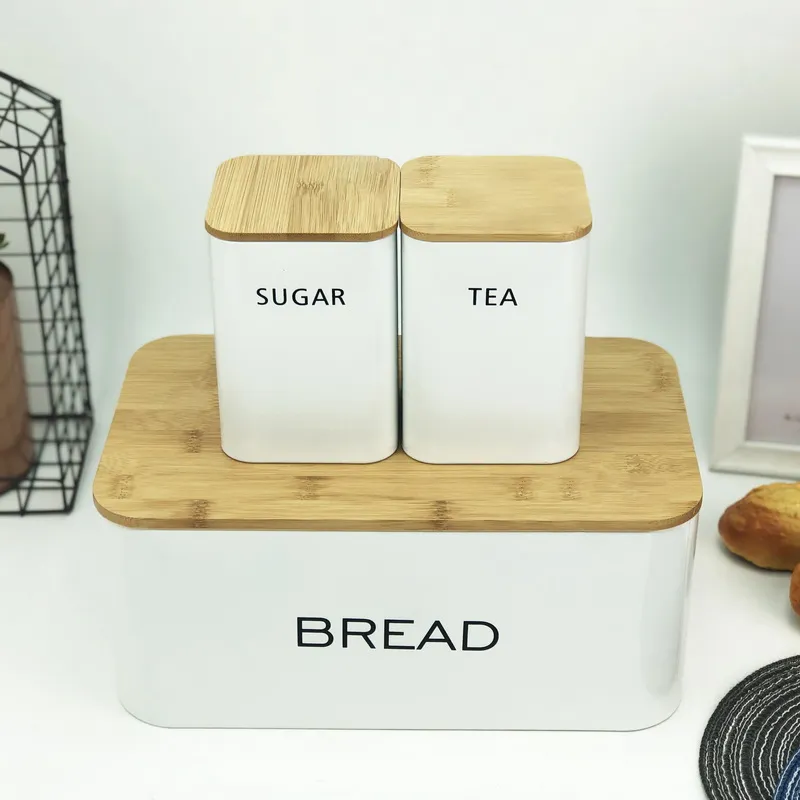
Why is ventilation so important for bread storage boxes?
Before answering "Do bread boxes need ventilation?", it's essential to understand the principles of bread preservation.
The two core factors causing bread spoilage:
1. Moisture loss
2. Microbial growth
Bread is a food with a high water content. Its internal structure is a porous starchy tissue, which easily absorbs and releases moisture. If a bread box is completely sealed, excessive internal humidity can promote mold growth; if there is excessive ventilation, air circulation accelerates moisture evaporation, causing the bread to harden.
Therefore, the ventilation design of a bread box is essentially a "humidity balance control problem."
What happens if a bread box is completely sealed?
1. Rapid increase in internal humidity
Fresh bread releases moisture. If the bread storage box is completely sealed, this moisture cannot escape, creating a high-humidity environment inside.
2. Condensation buildup
When temperature differences occur, moisture may condense inside the bread box, adhering to the box walls or the surface of the bread.
3. Increased risk of mold growth
High humidity and lack of air circulation create ideal conditions for mold growth.
Therefore, completely sealed bread boxes are not suitable for storing bread at room temperature.
What problems arise from excessive ventilation in a bread box?
1. Accelerated Moisture Loss
If the bread box has large ventilation holes, continuous airflow will cause the moisture inside the bread to evaporate rapidly.
2. Hardening Texture
Moisture loss accelerates starch retrogradation, making the bread dry and hard.
3. Shortened Shelf Life
While the risk of mold is reduced, the edible quality deteriorates faster.
Therefore, bread boxes cannot be simply understood as "the more ventilated, the better."
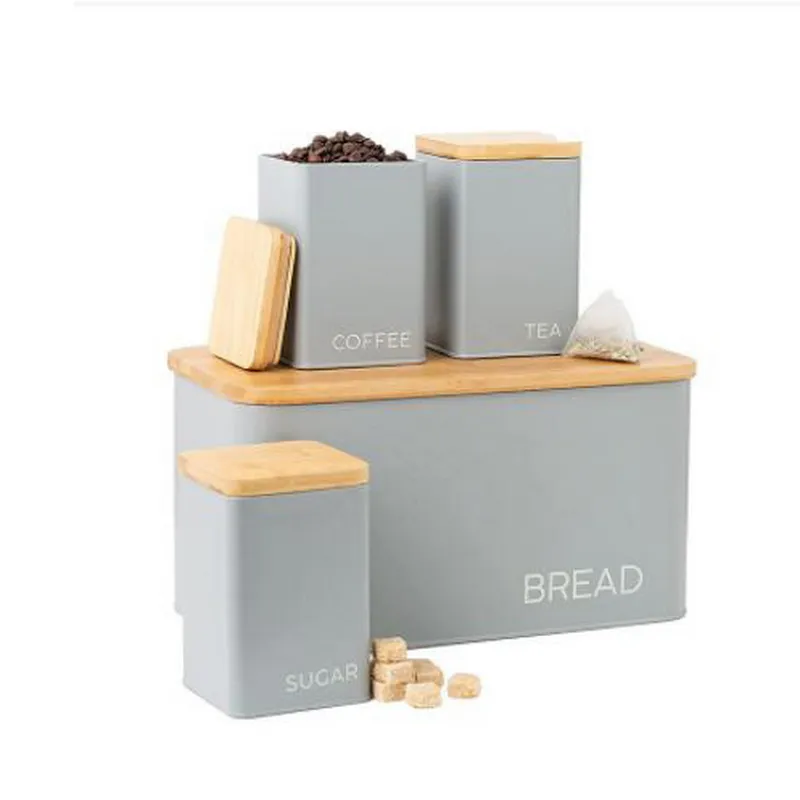
Do bread storage boxes actually need ventilation?
The answer is: moderate ventilation is needed, not complete sealing or complete openness.
An ideal bread box should have the following characteristics:
• Minimal airflow
• Stable internal humidity
• Prevention of condensation buildup
• Reduced risk of mold
In other words, bread boxes should achieve "limited ventilation," not "free ventilation."
How to achieve "moderate ventilation" in a bread box?
1. Small Vent Design
Some bread storage boxes have small ventilation holes on the sides or bottom to control airflow.
2. Sliding Ventilation Structure
Some bread storage boxes feature adjustable vents, allowing for ventilation levels to be adjusted according to the season and environment.
3. Natural Breathability of Materials
Some materials are naturally slightly breathable, such as bamboo or ceramic.
Do different materials of bread boxes have the same ventilation requirements?
1. Metal Bread Storage Box
Metal bread storage boxes are typically enclosed structures with weaker internal humidity regulation capabilities, thus requiring ventilation holes.
Advantages:
• Good light blocking
• Sturdy structure
Disadvantages:
• Prone to condensation
2. Plastic Bread Storage Box
Completely sealed plastic bread boxes pose a higher risk of moisture buildup.
Recommendations:
• Choose models with ventilation designs
• Avoid replacing bread storage boxes with completely sealed food containers
3. Wooden Bread Storage Box
Wooden bread storage boxes have natural slight breathability.
Advantages:
• Strong humidity regulation ability
• Less prone to condensation
Therefore, wooden bread boxes perform better in terms of ventilation balance.
4. Ceramic Bread Storage Box
Ceramic material has a certain degree of breathability, but attention should still be paid to whether the lid structure is too tight.
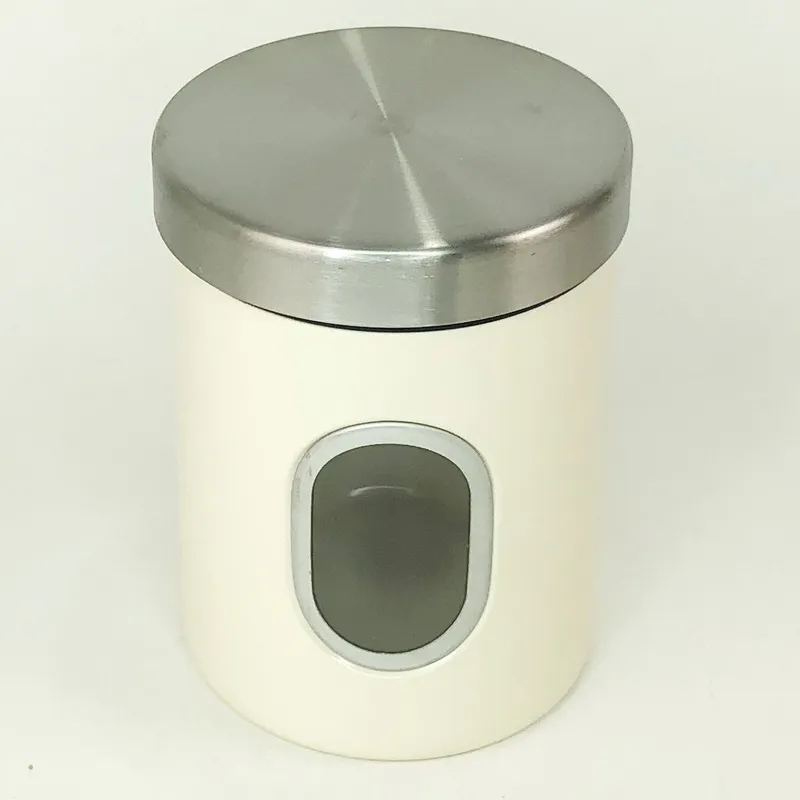
Does the ventilation of bread boxes need to be adjusted according to the climate?
Ambient humidity significantly affects the ventilation requirements of bread boxes.
In high humidity environments:
• More moderate ventilation is needed
• To prevent mold growth
In dry environments:
• Reduce ventilation
• Maintain internal humidity
Therefore, ventilation for bread boxes is not a fixed standard but should be considered in conjunction with environmental conditions.
Where should bread boxes be placed for optimal ventilation?
Even with a well-designed bread box, its placement affects ventilation.
Recommended placement:
• Cool, dry area
• Avoid direct sunlight
• Keep away from water tank steam
A suitable location can reduce internal humidity fluctuations and improve the performance of the bread box.
Is it okay to put a desiccant in a bread storage box?
Generally not recommended.
Reasons include:
• Potentially alters the bread's moisture balance
• Food safety risks
The ventilation of a bread storage box should be designed in, not achieved by adding additional desiccant.
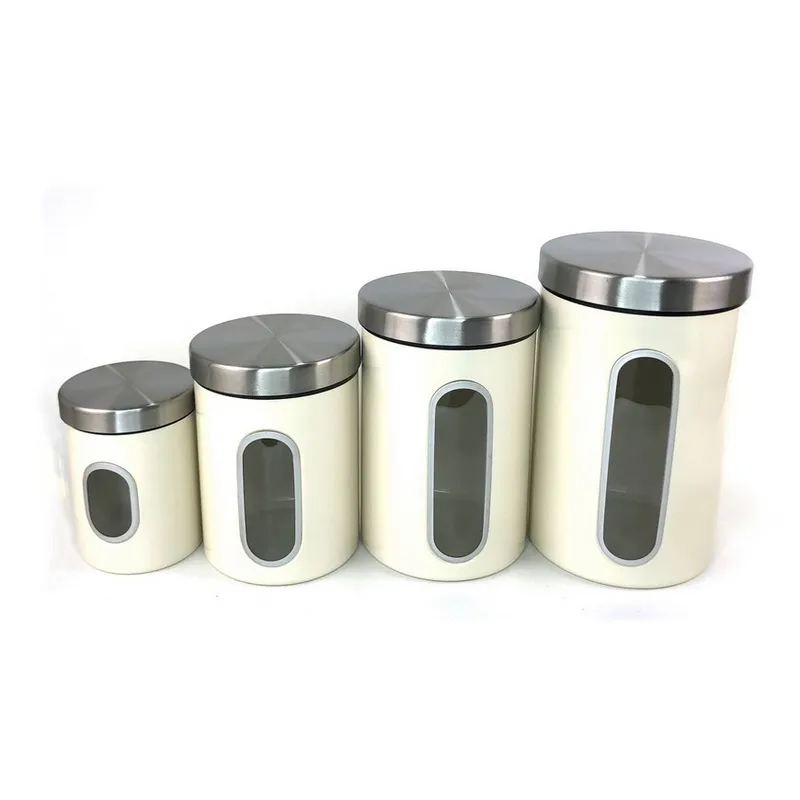
What's the difference between a bread box and a regular airtight container?
Regular airtight containers emphasize complete sealing to prevent air from entering. Bread boxes, on the other hand, emphasize "humidity balance."
Core design principles of bread storage boxes:
• Light protection
• Controlled airflow
• Prevention of rapid moisture loss
• Inhibition of mold
Therefore, the two should not be used interchangeably.
How to determine if your bread box is properly ventilated?
Observe the following:
• Are there water droplets inside the box?
• Does the bread mold within two days?
• Does the bread harden rapidly?
If any of these problems occur, the bread box's ventilation is inadequate.
What is the ideal ventilation standard for a bread box?
Ideal Conditions:
• No noticeable condensation inside
• Bread remains soft for 3-4 days
• No mold growth
Achieving this balance indicates a well-designed ventilation system for the bread box.
Does a bread storage box need ventilation?
A completely sealed bread storage box can easily lead to moisture buildup, increasing the risk of mold; excessive ventilation, on the other hand, can cause the bread to dry out quickly. An ideal bread storage box should achieve a humidity balance through its structural design, maintaining the bread's soft texture while reducing the risk of spoilage.
When choosing a bread box, consider:
• Whether it has a micro-ventilation design
• Material breathability
• Lid sealing
• Compatibility with ambient humidity
Understanding the principles of ventilation and using a bread storage box appropriately are key to truly extending the bread's shelf life and maintaining its optimal taste.
Do you support wholesale purchasing?
Absolutely. Our Company focuses on Wholesale Supply for distributors, supermarkets, importers, and e-commerce sellers worldwide. Buyers can mix different categories such as Dish Racks, Mug Trees, Utensil Holders, Bathroom Racks, and Trolleys in one container to optimize shipping costs and improve Sales margins. With competitive Prices from our China Factory and stable Supply capacity, we help customers plan bulk Purchasing efficiently.