

Sourdough bread, with its naturally fermented flavor and unique texture, is increasingly popular among home consumers. However, once sourdough bread is cut, its preservation becomes significantly more difficult. Many people ask: Will cut sourdough bread dry out and harden when placed in a bread storage box?
This is a very technical question. Because of the unique structure of sourdough bread, being cut significantly alters its moisture loss path and staling rate.
This article will focus on the core keyword "bread storage box," providing a systematic analysis from multiple perspectives, including food science, starch retrogradation mechanisms, moisture migration principles, and storage environment control, to help you fully understand the actual changes that occur to cut sourdough bread in a bread storage box.
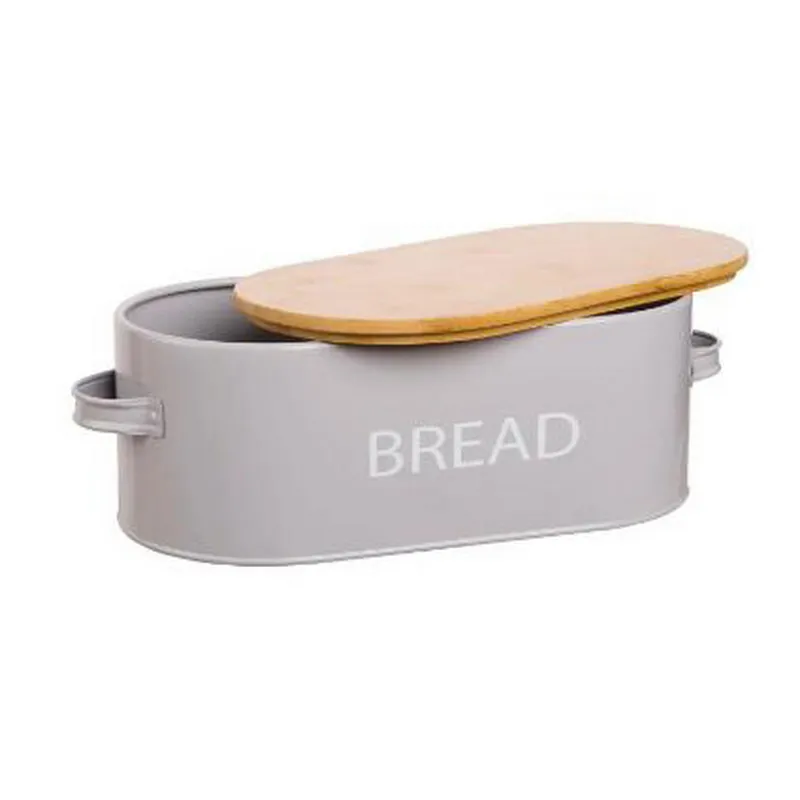
Why does cut sourdough bread dry out more easily?
To answer the question "Will cut sourdough bread dry out and harden when placed in a bread storage box?", we must first understand what changes occur when sourdough bread is cut.
Uncut sourdough bread has a thick crust that acts as a natural barrier, slowing down the evaporation of internal moisture.
When sourdough bread is cut:
• The internal structure is exposed to air.
• The path for moisture evaporation increases.
• The surface area increases significantly.
• The internal structure is more exposed to oxygen.
This means that cut sourdough bread loses water more easily than a whole loaf.
Therefore, without a bread storage box, cut sourdough bread will indeed dry out and harden faster.
What is the real reason bread hardens?
Many people believe that bread hardens simply because of "moisture evaporation." In reality, the reasons are more complex.
Bread hardening mainly involves two mechanisms:
1. Moisture migration
Moisture in the bread constantly diffuses outwards. If air circulation is fast, moisture evaporation accelerates.
2. Starch retrogradation
Even if moisture is still present, the starch molecules rearrange, causing the bread to harden.
Sourdough bread, due to the natural fermentation process producing more organic acids, typically experiences slower starch retrogradation than regular bread. However, once cut, moisture loss accelerates the aging process.
Therefore, whether or not a bread storage box is used has a significant impact on sliced sourdough.
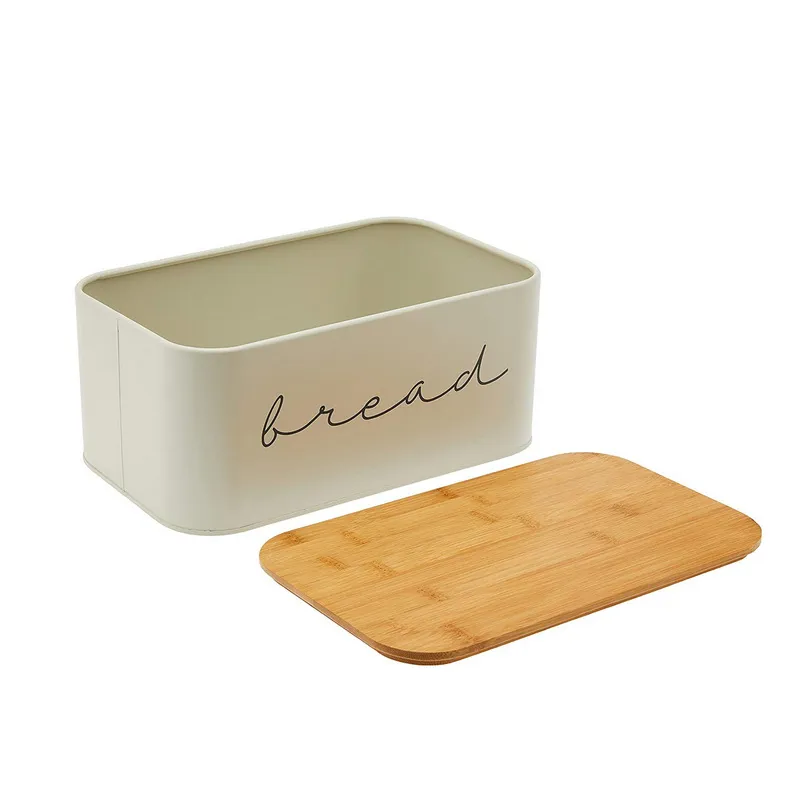
Can a bread box slow down the drying process of sliced sourdough?
The answer is: it can slow it down, but not completely stop it.
A well-designed bread storage box serves the following purposes:
• Reduces airflow
• Stabilizes internal humidity
• Prevents direct sunlight
• Slows down moisture evaporation
When sliced sourdough is placed in a bread box, the rate of moisture loss decreases significantly. Although starch retrogradation still occurs, the overall hardening rate is much slower than when stored uncovered.
Therefore, sliced sourdough stored in a bread storage box will not dry out immediately, but will last longer than when exposed to air.
Will sliced sourdough mold in a bread storage box?
This is another common question.
The natural high acidity of sourdough itself has a certain inhibitory effect on mold. However, after being "cut open":
• Increased surface area
• Increased exposure to airborne microorganisms
High humidity inside the bread storage box can indeed increase the risk of mold growth.
Key factors include:
• Whether the bread has completely cooled
• Whether the bread storage box is clean
• The presence of condensation
As long as the bread box is kept dry and clean, short-term storage at normal room temperature generally will not lead to mold.
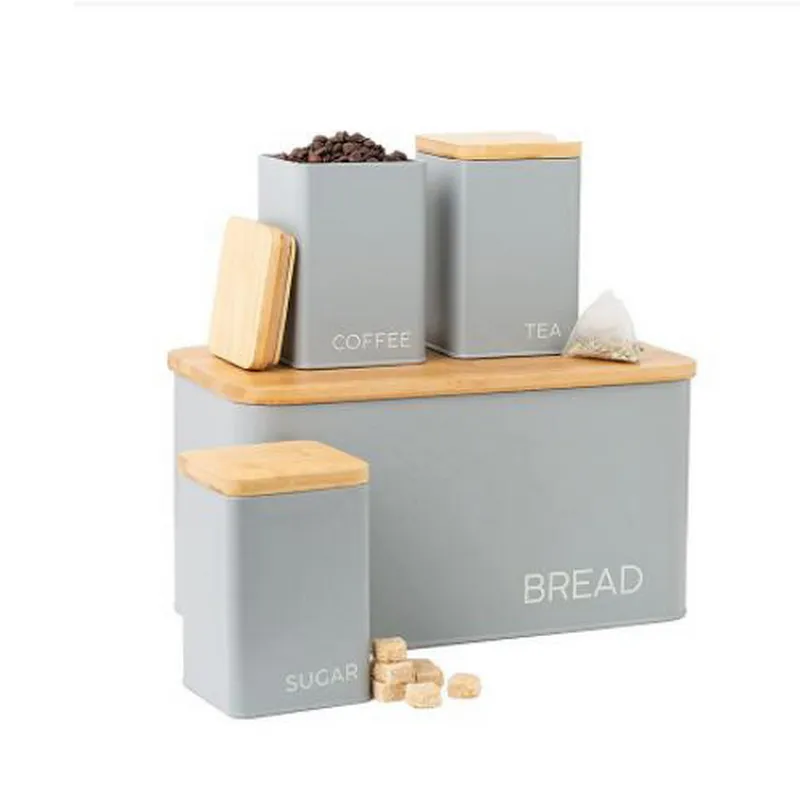
Does the bread box need to be completely sealed?
Many people believe that complete sealing is necessary for preservation, but for sliced sourdough bread, more sealing is not necessarily better.
Complete sealing may lead to:
• Excessively high internal humidity
• Inability for moisture to escape
• Condensation formation
An ideal bread storage box should have a "micro-ventilation structure," that is:
• Controlling the rate of air exchange
• Maintaining humidity balance
Therefore, a moderately ventilated bread storage box is more suitable for storing sliced sourdough bread.
Do sliced sourdough bread need additional packaging before being placed in the bread box?
This question depends on the ambient humidity.
Under normal room temperature conditions:
• Sliced sourdough bread can be placed directly into the bread storage box.
• No need to use a plastic bag.
If the environment is particularly dry, you can lightly wrap it in a paper bag before placing it in the bread storage box to further slow down moisture evaporation.
It is not recommended to use a completely sealed plastic bag before placing it in the bread storage box, as this may cause moisture buildup.
Does the material of the bread box affect the condition of the sliced sourdough bread?
The material does affect the stability of the internal environment.
Wooden bread storage box
• Has moisture-absorbing and buffering properties
• Helps balance humidity
• Performs well in dry environments
However, in high humidity environments, wood may absorb moisture and be difficult to dry.
Metal bread storage box
• Does not absorb water
• Easy to clean
• Good antibacterial properties
However, it has high thermal conductivity, and condensation may occur when there are large temperature differences.
Regardless of the material, as long as the design is reasonable, sliced sourdough bread can be placed in a bread box.
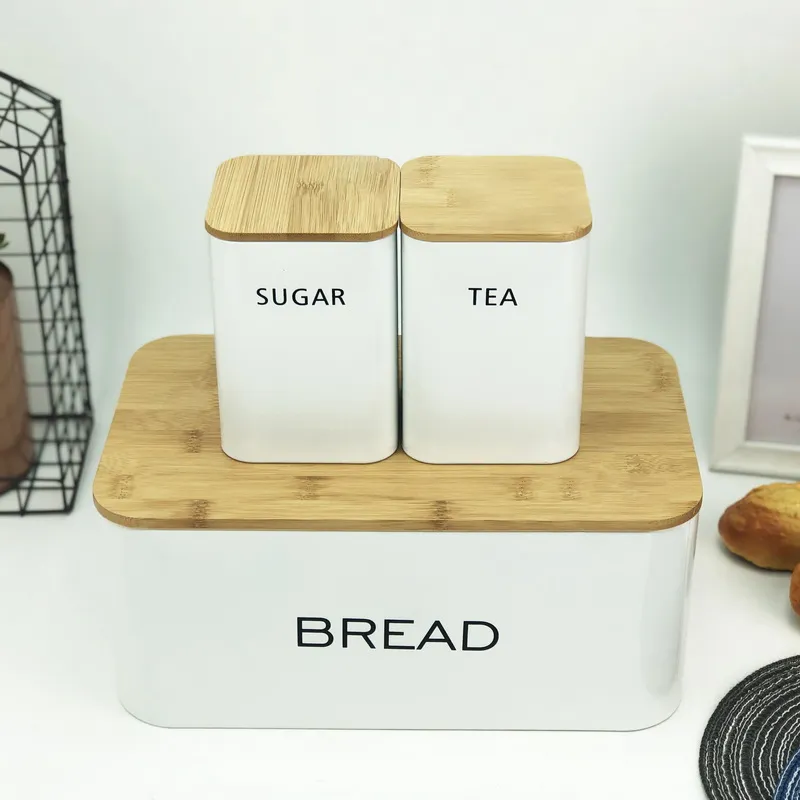
How long can sliced sourdough bread be stored in a bread box?
Under normal conditions:
• Room temperature 18–25℃
• Normal humidity
Sliced sourdough bread stored in a bread storage box will maintain:
• Optimal texture for 1–2 days
• Become noticeably harder starting on the 3rd day
Without a bread storage box, it will usually become noticeably dry within one day.
Therefore, a bread storage box can effectively extend the optimal shelf life of sliced sourdough bread.
Is a bread box better than a refrigerator for storing sliced sourdough bread?
Many people are used to putting sliced bread in the refrigerator.
However, the refrigerated environment (around 4℃) accelerates starch retrogradation, causing the bread to harden faster.
Therefore:
• Short-term storage → Bread storage box is better than refrigeration
• Long-term storage → Freezing is better than a bread storage box
For sliced sourdough bread to be consumed within 1–2 days, a bread storage box is a more reasonable choice.
How to properly store sliced sourdough bread in a bread box?
Correct methods include:
1. Allow the bread to cool completely before placing it in the storage box.
2. Place it cut-side down.
3. Avoid placing it directly against the box walls.
4. Clean the bread storage box regularly.
These details can further slow down the drying process.
Will cut sourdough bread dry out and harden when placed in a bread box?
From a food science perspective:
✔ Cut sourdough bread will definitely dry out and harden over time.
✔ Bread storage boxes can significantly slow down this process.
✔ Bread storage boxes cannot completely prevent starch retrogradation.
✔ Proper use of a bread storage box can extend the optimal eating time.
Therefore, the answer is:
Cut sourdough bread placed in a bread box will still dry out and harden over time, but at a significantly slower rate than when stored uncovered.
The key is not whether it will dry out, but whether the rate of drying is effectively controlled.
The core value of bread storage boxes lies in:
• Slowing down moisture loss
• Stabilizing the storage environment
• Reducing external contamination
If you frequently eat sourdough bread, especially sliced bread for multiple servings, choosing and using bread boxes correctly will significantly improve preservation.
How long is your production lead time?
Production lead time typically depends on order quantity and product specifications. For standard Wholesale Purchasing of Bread Baskets, Dish Racks, Bathroom Racks, or Trolleys, our factory usually maintains stable and efficient schedules. Customized projects such as branded Wine Racks or exclusive Coffee Capsule Holders may require additional development time. As an experienced China Supplier, we coordinate closely with raw material suppliers and logistics partners to ensure timely supply.