
What Did I Learn & Where Did I Stumble?
2025 was a turbulent year for metal home storage exporters, yet it yielded invaluable insights. Focused on existing client retention, new client acquisition, and R&D of core products—including Mesh Storage Baskets, dish racks, and trivets—via our independent website https://www.foshaneverrising.com, I navigated market volatility, compliance barriers, and supply chain fluctuations. Below, I share actionable takeaways—from leveraging our 10,000+ SKUs to securing client trust through LFGB certification—and costly pitfalls encountered, aiming to help fellow export professionals thrive steadily in 2026.
1. Existing Client Retention: Loyalty Is Never a Given—Details Foster Long-Term Trust
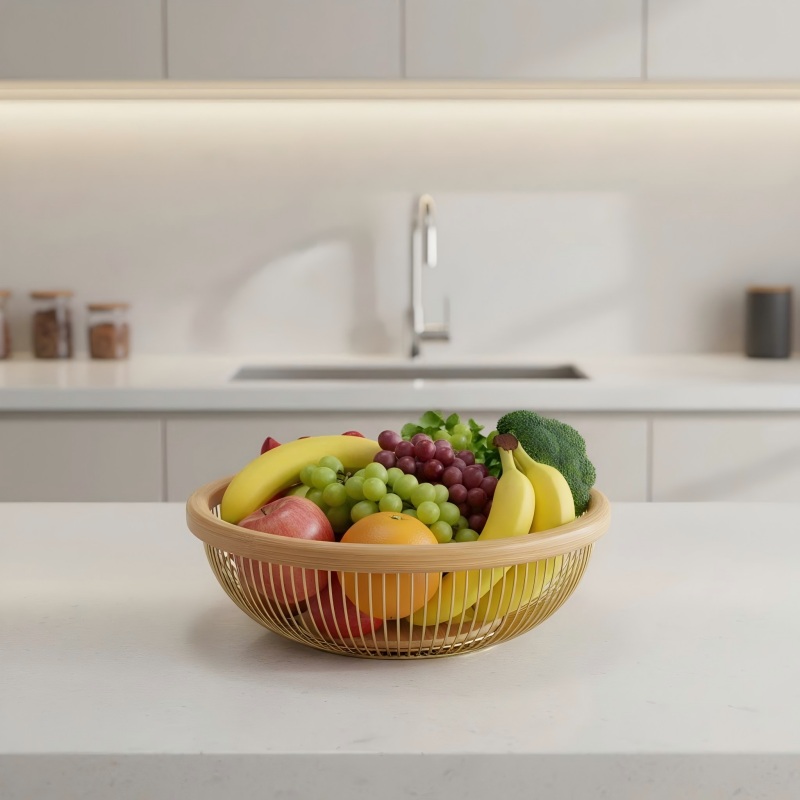
Brief Summary: Prioritize proactive communication and tailored solutions to sustain client stickiness.2025 vividly demonstrated that retaining existing clients is far more cost-effective than acquiring new ones, but it demands consistent effort rather than complacency. As a seasoned supplier with over 20 years of experience in metal household products, our company https://www.foshaneverrising.com boasts a diverse product portfolio—rangingfrom round copper wire kitchen storage baskets to 2-Tier Compact Kitchen Dish Rack drainboard sets—with many repeat clients partnering with us for over 5 years. However, I nearly lost a key German client who had annually ordered our storage baskets. The root cause? I grew accustomed to their regular orders and failed to proactively update them on our latest quality enhancements—specifically, our compliance with EU food safety tests and LFGB requirements. When they voiced concerns about "escalating global quality standards," I realized I had taken their trust for granted.
I immediately shared our updated LFGB certification reports, walked them through our enhanced quality control process (from raw material inspection to final product testing), and dispatched a sample of our new rust-resistant storage basket—developed to address their prior feedback on durability in humid European kitchens. Within two weeks, they confirmed an order 20% larger than that in 2024. Another success story came from a U.S. client distributing our metal napkin holders and wire utensil holders to home goods retailers. Instead of waiting for inquiries, I regularly shared market trends (e.g., "minimalist brass accents are gaining traction in American kitchens") and offered customized color options for our napkin holders. This proactive approach prompted them to add our modern wooden brass trivets to their procurement list, boosting their average order value (AOV) by 35%.
The critical pitfall here is assuming existing clients are aware of your progress. Many peers make the same mistake: once a client is secured, they shift all focus to new leads. Yet in 2025’s fiercely competitive market, clients have abundant alternatives. The solution? Schedule quarterly check-ins with key clients, share product upgrades or new arrivals via your independent website (e.g., our latest stackable storage baskets), and address even minor feedback promptly. Loyalty is built on making clients feel valued—not just served
2. New Client Acquisition: Targeted Outreach Outperforms Spam—Leverage Core Competencies
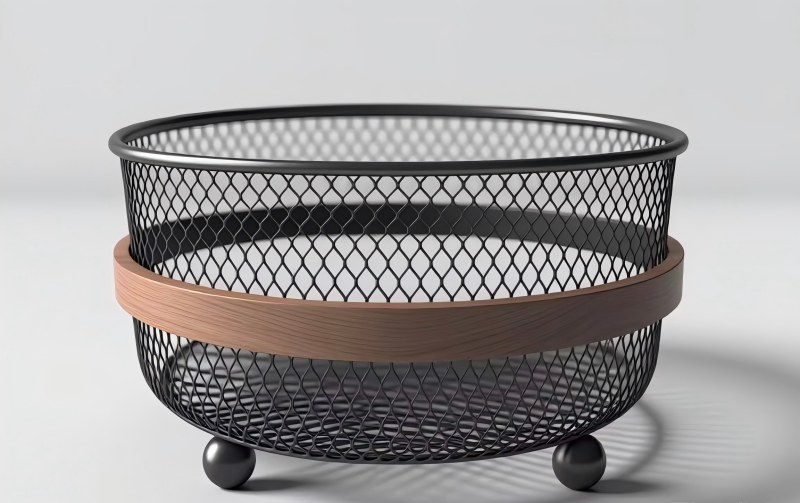
Brief Summary: Win new clients with hyper-targeted pitches highlighting your company’s strengths (e.g., 30+ product categories, fast delivery).2025 coincided with the "Thousands of Enterprises Going Global" initiative, but penetrating new markets was no easy feat. In Q1, I sent generic outreach emails to hundreds of overseas buyers, resulting in a mere 2% response rate. The problem was clear: I failed to emphasize our unique selling propositions (USPs)—20 years of expertise in metal household products, 10,000+ SKUs across 30+ categories, and a stable supply chain with 30-day delivery for standard products (10 days for e-commerce exclusives). Worse, I pitched storage baskets to furniture-focused clients and dish racks to buyers specializing in small kitchen gadgets, wasting time and resources.
The turning point came post-Canton Fair, where we drove traffic to our independent website https://www.foshaneverrising.com. I abandoned mass messaging and instead conducted in-depth research on each prospect: What is their target market? What products do they currently stock? For instance, a Singaporean e-commerce seller focusing on "small-space living" was seeking compact storage solutions. I tailored my pitch to our 2-tier dish rack drainboard sets (ideal for tiny kitchens) and foldable metal storage baskets, emphasizing our 10-day delivery for e-commerce orders—a critical factor for their fast-paced inventory turnover. I also shared our website’s product pages, which feature detailed dimensions, material specifications, and LFGB compliance documentation—information they had struggled to obtain from other suppliers. They placed a trial order within a week and became a monthly repeat client by Q4.
Another win came with a French retailer specializing in eco-friendly home goods. I highlighted our 2026 sustainability initiative (switching 60% of raw materials to recycled metal) and our modern wooden brass trivets—crafted from sustainably sourced wood and recyclable metal. I also proactively presented our EU compliance credentials, alleviating their concerns about customs delays. The key pitfall here is generic outreach: never send one-size-fits-all emails. Instead, use your independent website as a showcase for your strengths—whether product variety, fast delivery, or certifications—and tailor your pitch to the client’s specific needs. Additionally, avoid overpromising: I once committed to delivering a custom storage basket to a Canadian client in 25 days (our standard lead time is 30 days) to secure the order, only to miss the deadline due to production delays. This damaged our credibility, and they did not reorder. Honesty about lead times—even if it means losing a short-term sale—builds long-term trust.
3. New Product Development: Practicality + Compliance = Success—Avoid Over-Design
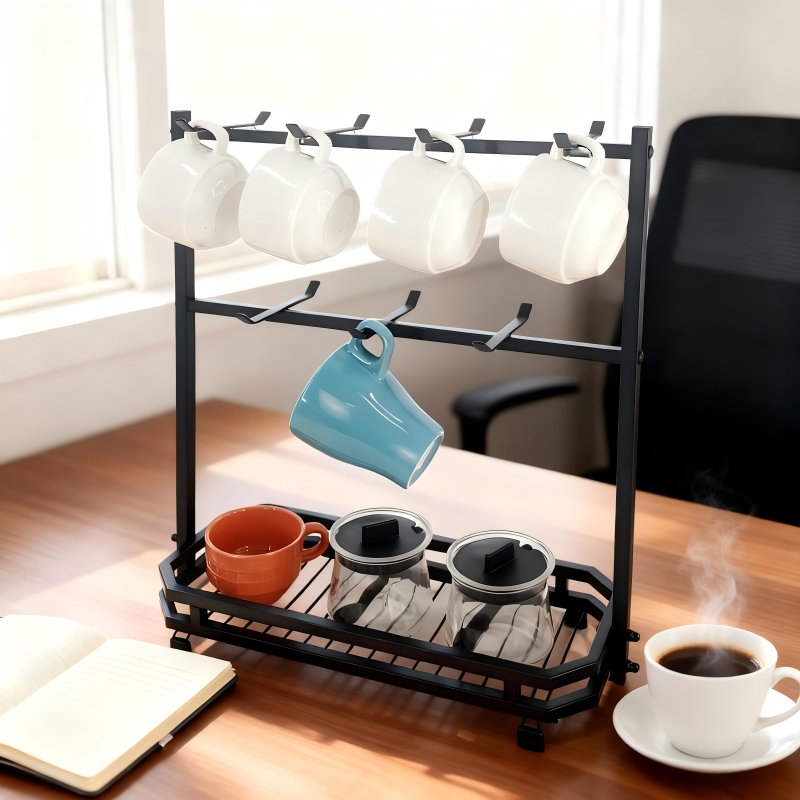
Brief Summary: Prioritize market demand, safety compliance, and usability over flashy design; conduct small-batch testing before mass production.To enhance competitiveness through innovation, our company developed over 15 new products in 2025, including multi-functional utensil holders and stackable wine bottle holder. While some became bestsellers, others were costly failures. Our greatest success was the modular metal storage basket. Recognizing the rising trend of "customizable home organization" on global e-commerce platforms, we combined iron wire with food-grade plastic liners (LFGB-compliant) and added detachable dividers—allowing users to store fruits, snacks, or kitchen tools. We tested 5 prototypes with existing clients, incorporated their feedback (e.g., reinforcing dividers for durability), and launched the product on our independent website. By Q3, it became our top-selling new item, with orders from 12 new countries.
Our biggest failure was a "high-design" metal trivet for hot dishes with intricate cutouts. We overemphasized aesthetics, assuming it would appeal to luxury home goods buyers, but neglected practicality: the cutouts trapped heat, making it unsafe to touch, and were difficult to clean. We mass-produced 5,000 units without small-batch testing, and only 10% were sold. This lesson underscored a critical truth: new product development for metal home goods must balance design with functionality—safety and usability are non-negotiable. Compliance is equally vital: we nearly launched a dish rack with a non-LFGB-approved coating, but caught the issue during quality control. Had we shipped it, we could have faced product recalls and irreparable damage to our reputation in EU markets.
For fellow export professionals, the key takeaways are: Conduct thorough market research before developing new products—monitor trending keywords (e.g., "eco-friendly storage," "compact dish racks") and solicit feedback from existing clients on unmet needs. Leverage your company’s strengths: our team excels at material combinations (e.g., wood and brass in trivets), and we will double down on this in 2026. Always test prototypes with a small client group and ensure compliance with target market regulations (LFGB for Europe, FDA for the U.S.). Over-design or cutting corners on compliance is never worth the risk—this failed trivet cost us $15,000 in production and storage fees in 2025.
4. Supply Chain & Delivery: Transparency Mitigates Risks—Manage Client Expectations Effectively
Brief Summary: Communicate lead times clearly, develop contingency plans, and position your stable supply chain as a core USP.2025 was rife with supply chain challenges—raw material price hikes, shipping delays, and labor shortages—but our company’s 10,000㎡ factory and mature production lines ensured stability. Nevertheless, I stumbled by failing to manage client expectations effectively. For example, an Australian client ordered 500 round copper wire baskets for their peak holiday season (November-December). I quoted our standard 30-day lead time but neglected to mention potential shipping delays during peak season. The order left our factory on time but was detained at the port for 10 days, arriving after their busy period. The client was frustrated, and I had to offer a 10% discount on their next order to retain the partnership.
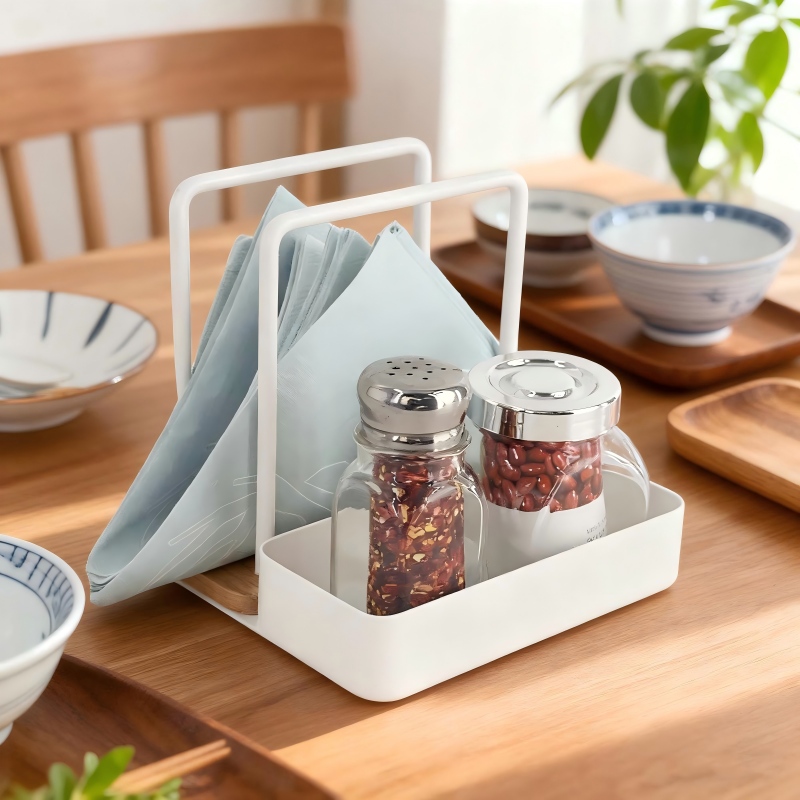
Conversely, transparency won us a major UK client. They needed 1,000 metal napkin holders for a café chain with a tight 20-day deadline. Instead of promising the impossible, I honestly communicated our 30-day standard lead time and proposed a solution: our e-commerce expedited service (10-day delivery) for a small premium. I also shared real-time production schedules and shipping tracking information, allowing the client to monitor progress. They agreed to the premium, and the order arrived on time—leading to a long-term contract.
Another pitfall is underestimating lead times for customized products. A Dutch client requested a custom-sized storage basket for their retail shelves. I quoted 40 days (our standard lead time for new products is 45 days) but failed to account for mold adjustment time. The order was delayed by 7 days, and we had to absorb additional shipping costs. Now, I add a 5-7 day buffer to all custom order lead times and communicate this upfront.
Our company’s stable supply chain is a core competitive advantage—30 days for standard products, 45 days for new products, and 10 days for e-commerce exclusives. I now highlight this prominently on our independent website and in client pitches, positioning it as a solution to their top pain point: delivery uncertainty. In 2026, I plan to establish partnerships with alternative shipping providers to mitigate port detention risks. The key lesson: Transparency is superior to overpromising. Clients prefer honest communication ("It will take 35 days") over disappointed expectations ("30-day delivery" followed by delays).
5. Critical Pitfalls to Avoid: Details Make or Break Deals
Brief Summary: Prioritize market-specific size standards, packaging quality, and local regulations to avoid costly mistakes.2025 taught me that export success hinges on attention to detail—cutting corners leads to significant losses. Below are three pitfalls I will never repeat, and I urge fellow professionals to avoid:
First, neglecting market-specific size standards. A Japanese client ordered storage baskets, but we shipped European-sized units (wider and deeper) without verifying their shelf dimensions. The baskets did not fit, and we had to cover return shipping costs and produce a new batch—resulting in a $8,000 loss. Now, I always request clients to share target shelf or counter dimensions and cross-verify them with product specifications on https://www.foshaneverrising.com.
Second, skimping on packaging for metal products. Metal storage baskets and trivets are prone to scratches and rust during transit. Early in 2025, a shipment of our utensil holders arrived in the U.S. with rust spots due to inadequate moisture protection. We had to send replacements for free, costing $5,000. We have since upgraded our packaging: each product is wrapped in anti-rust paper, placed in foam-lined boxes, and labeled "Fragile." This not only eliminated transit damage but also earned praise from clients for our attention to detail.
Third, assuming uniform global compliance standards. A Brazilian client ordered dish racks, but we were unaware that Brazil has specific food contact safety regulations (beyond LFGB). The shipment was detained at customs for 3 weeks, and we had to pay for additional testing to prove compliance. Now, I research target market regulations before quoting—e.g., FDA for the U.S., LFGB for the EU, and ANVISA for Brazil—and include compliance documentation with every shipment.
These mistakes were painful, but they reinforced a key truth: Export is not just about selling products—it’s about solving clients’ problems. Every detail, from size to packaging to compliance, directly impacts the client experience. Addressing these proactively avoids costly delays, returns, and reputational damage.
6. Looking Ahead to 2026: Seize Global Opportunities with Product Strength
Brief Summary: Build on 2025’s lessons, expand eco-friendly product lines, and leverage your independent website for global growth.As 2025 draws to a close, I am not only relieved to have navigated the challenges but also excited for 2026. The overseas home furnishing market has emerged as a new growth driver, and our company is well-positioned to capitalize on it—with over 20 years of experience, a presence in 60+ countries, and a commitment to innovation.
In 2026, my focus will center on three key areas: First, expanding our eco-friendly product line. As consumers increasingly prioritize sustainability, we plan to switch to recycled metal for core products such as storage baskets, dish racks, and trivets—a highlight I will emphasize in client outreach and website promotion. Second, deepening independent website engagement to drive direct sales. Post-Canton Fair, our website traffic increased by 40%, and many clients prefer browsing products, checking specifications, and placing orders online. In 2026, I will optimize the website with market-specific content (e.g., "Top 5 Metal Storage Solutions for Small European Kitchens") and add a live chat feature to address client queries in real time. Third, strengthening partnerships in high-growth markets. Leveraging RCEP tariff reductions, we will focus on Southeast Asia; we will also tap into South America, tailoring products to local needs—e.g., cost-effective storage baskets for Southeast Asia and premium brass trivets for Brazil.
To my fellow export professionals: 2025 was challenging, but adversity fosters growth. Remember, your company’s unique strengths—whether product diversity, strict compliance, or fast delivery—are your greatest assets. Do not fear sharing failures; every pitfall is a learning opportunity. Never underestimate the power of an independent website—it is your 24/7 global sales tool, showcasing your products to the world.
As we step into 2026, let’s focus on what we can control: proactive client communication, targeted product development, and meticulous attention to detail. Our metal storage products—from storage baskets to dish racks, napkin holders to trivets—are not just home goods; they are solutions for creating organized, beautiful living spaces. In an era where home comfort is more valued than ever, this is a market worth fighting for.
Here’s to 2026—may it bring more successes, fewer pitfalls, and endless growth. Let’s go global, together.